



 Daily Bazar
  Electronics
  Mother, Baby & Toys
  Beauty
  Sports
  Automotive
  Stationery, Books & Music
  Fashion
 _20.jpeg) Home
Home  Garden & Pet Care
  Grocery
  Daily Bazar
  Electronics
  Mother, Baby & Toys
  Beauty
  Sports
  Automotive
  Stationery, Books & Music
  Fashion
 _20.jpeg) Home
Home  Garden & Pet Care
  Grocery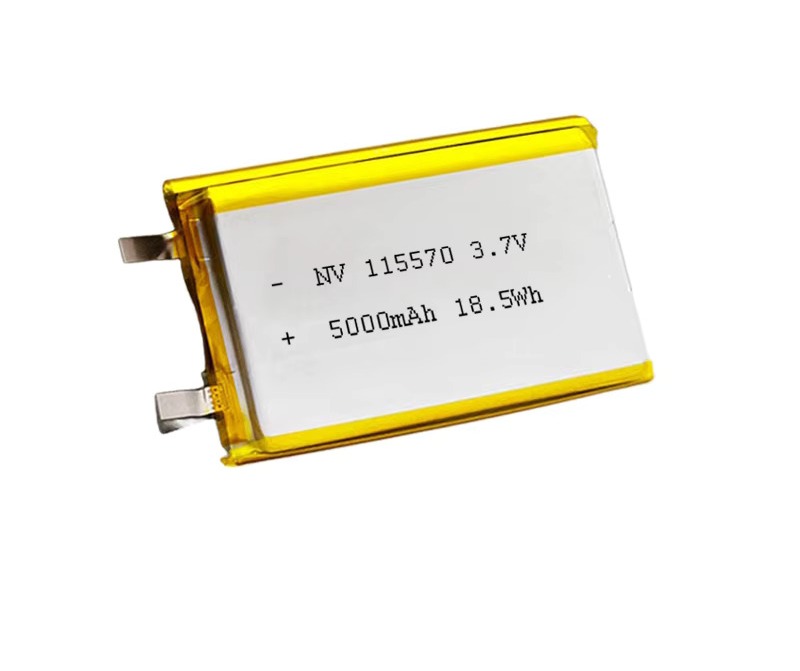
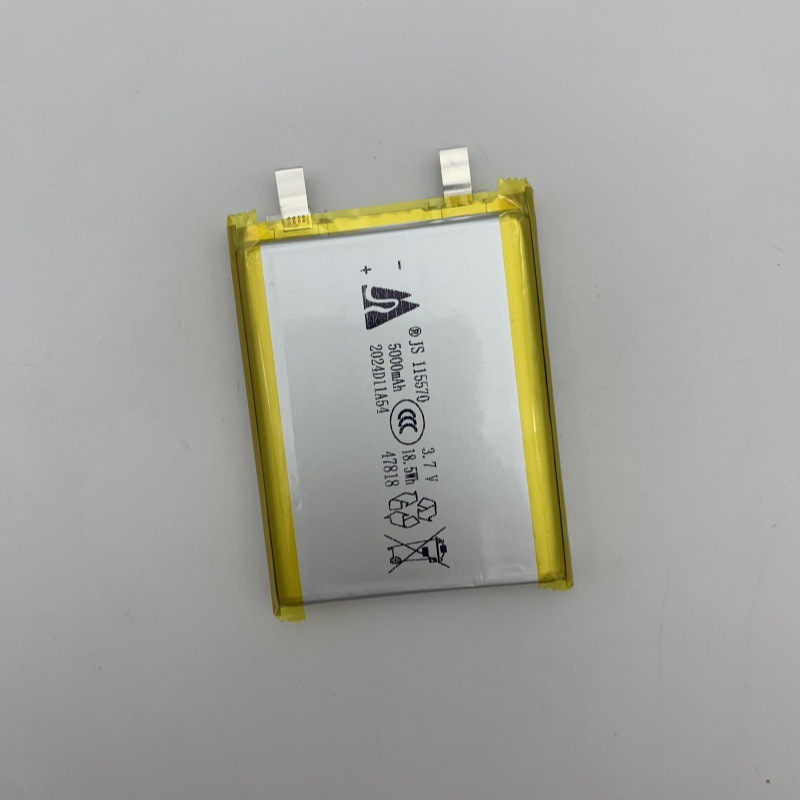
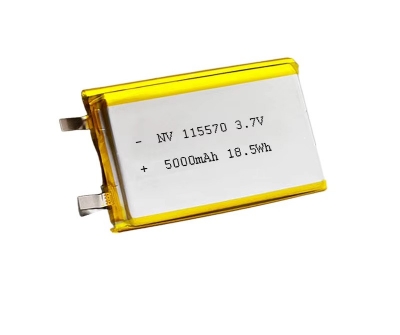
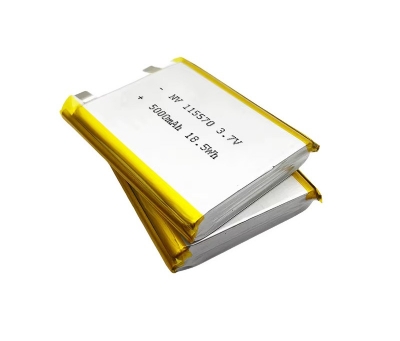
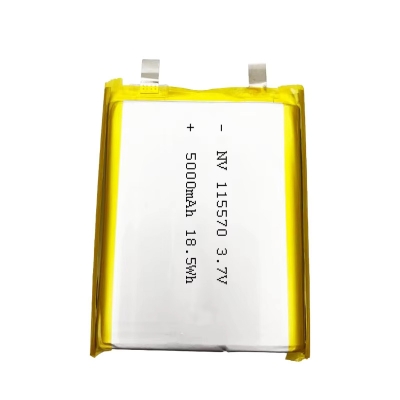
Product Description
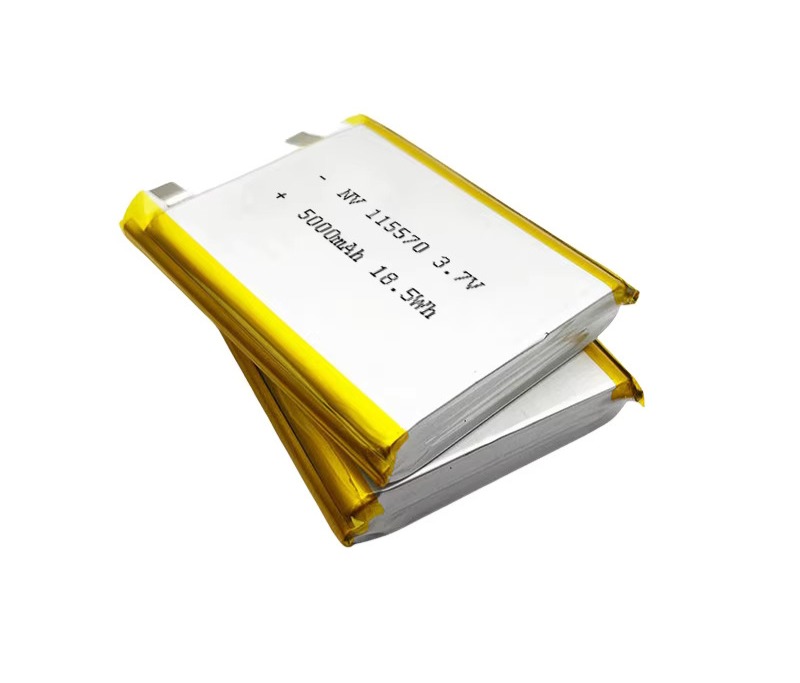
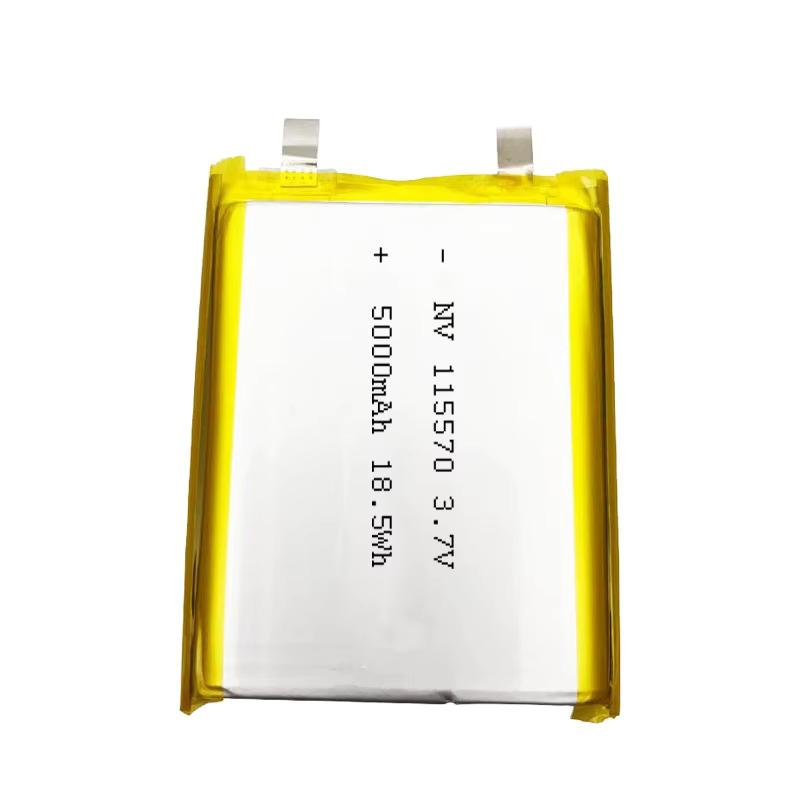
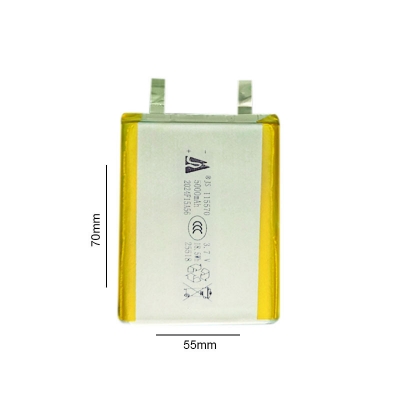
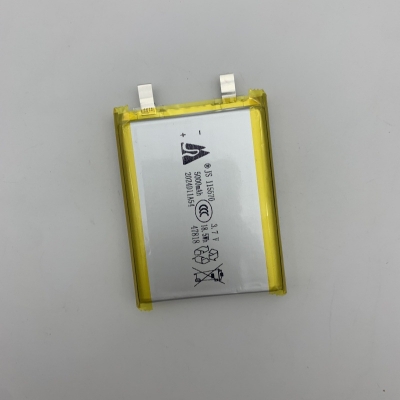
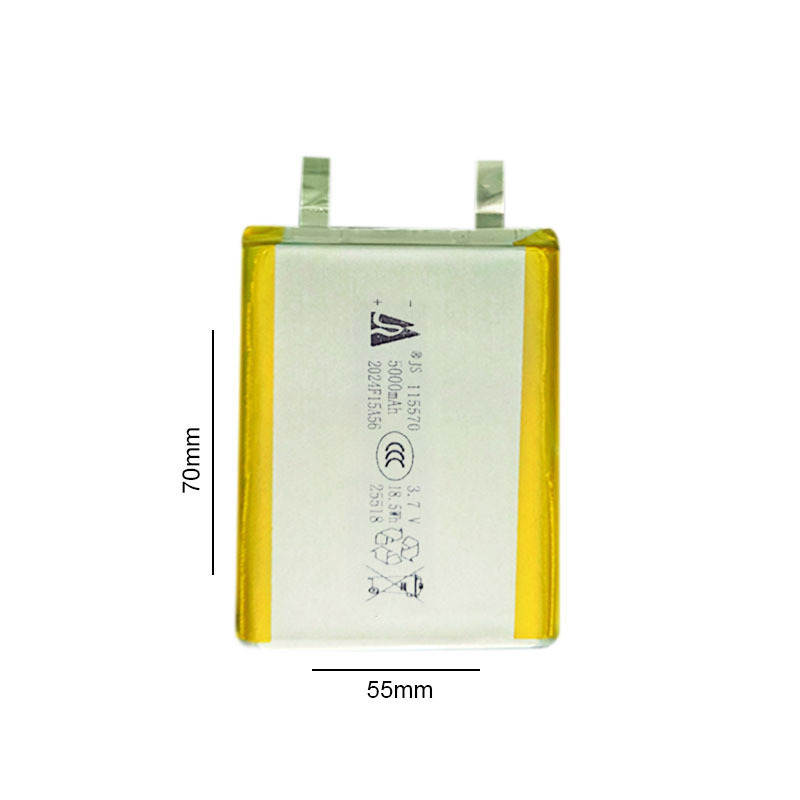
The 3.7V 5000mAh LiPo Battery is a high-capacity, rechargeable lithium polymer battery designed to deliver reliable and efficient power for various applications. With a nominal voltage of 3.7V and a substantial capacity of 5000mAh, this battery is ideal for powering devices such as power banks, drones, GPS units, and other portable electronics.
Built with advanced LiPo technology, this battery offers a lightweight and compact design without compromising on performance. Its robust construction ensures durability and longevity, making it a dependable choice for both consumer and industrial applications.
Technical Specifications
- Model Number: 3.7V 5000mAh LiPo Battery
- Type: Lithium Polymer (LiPo) Rechargeable Battery
- Nominal Voltage: 3.7V
- Capacity: 5000mAh
- Energy: Approximately 18.5Wh
- Discharge Rate: 1C (5A continuous)
- Cycle Life: Over 500 cycles
- Weight: Approximately 100g
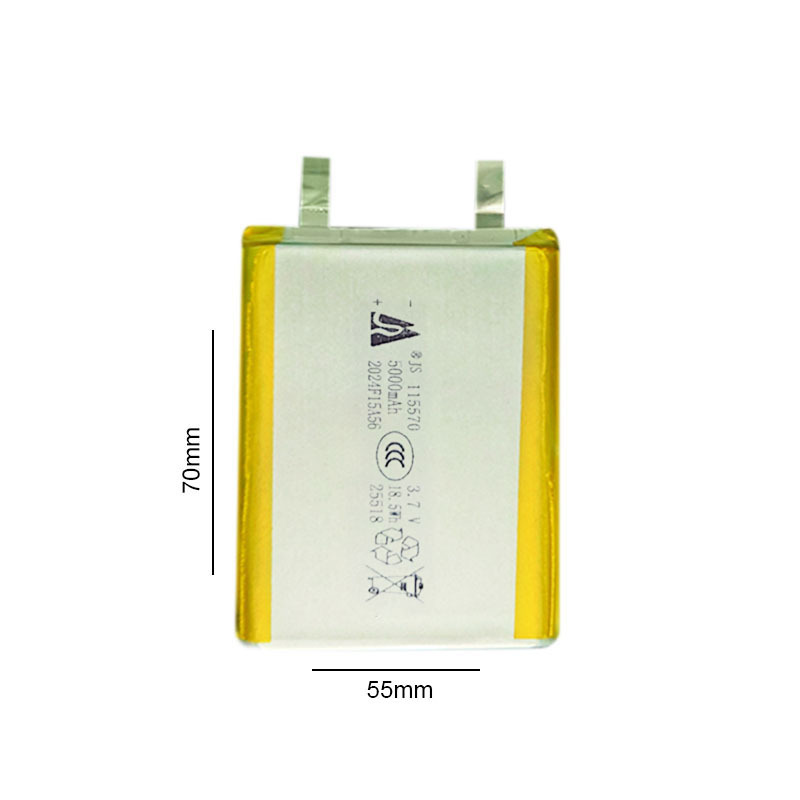
- Dimensions: 9.5mm (thickness) × 54mm (width) × 66mm (length)
- Charge Voltage: 4.2V
- Discharge Cut-off Voltage: 2.75V
- Operating Temperature:
- Charging: 0°C to 45°C
- Discharging: –10°C to 50°C
- Storage Temperature: –20°C to 35°C
- Protection Circuit Module (PCM): Yes
- Connector: JST PHR-2
- Wires/Cables: UL1007 24AWG 50mm × 2pcs
- Applications: Power banks, drones, GPS units, portable electronics, and other high-capacity power applications
Key Features
- High Capacity: Provides 5000mAh capacity for extended usage time.
- High Discharge Rate: Capable of delivering up to 5A continuous current, suitable for high-power applications.
- Long Cycle Life: Designed to withstand over 500 charge-discharge cycles, ensuring long-term reliability.
- Compact and Lightweight: Slim profile and light weight make it easy to integrate into various devices.
- Wide Operating Temperature Range: Performs well under a broad range of temperatures, suitable for diverse environments.
Safety and Handling Notes
- Do not overcharge: Charging beyond 4.2V may cause overheating or damage.
- Avoid deep discharge: Discharging below 2.75V can reduce battery life.
- Use a proper charger: Always use a charger designed for LiPo batteries to ensure safety.
- Monitor temperature: Avoid exposing the battery to extreme temperatures during use or storage.
- Storage: Store in a cool, dry place; do not store fully charged or fully discharged for extended periods.
Frequently Asked Questions (FAQs)
1. What devices can this battery be used for?
This 3.7V 5000mAh LiPo battery is suitable for drones, power banks, GPS units, portable electronics, IoT devices, and any project requiring a high-capacity LiPo cell.
2. Does this battery include a protection circuit?
Yes, this model comes with a built-in Protection Circuit Module (PCM) to prevent overcharge, over-discharge, and short-circuit damage.
3. What is the recommended charging voltage and current?
- Charge Voltage: 4.2V
- Recommended Charge Current: 0.5C (≈ 2.5A) for optimal battery life
4. What is the maximum continuous discharge current?
The battery supports up to 1C (≈5A) continuous discharge, suitable for most portable electronics.
5. How many charge-discharge cycles can I expect?
The battery can withstand over 500 cycles under recommended conditions before its capacity drops to ~80%.
6. What is the operating temperature range?
- Charging: 0°C to 45°C
- Discharging: –10°C to 50°C
Operating outside these ranges may reduce battery life or damage the cell.
7. How should I store the battery when not in use?
Store in a cool, dry place at ~40–60% charge. Avoid storing fully charged or fully discharged for long periods.
8. Can I use multiple cells together for higher voltage or capacity?
Yes, you can connect cells in series or parallel, but proper balancing, wiring, and protection circuitry are required to ensure safety.
9. What happens if the battery is overcharged or over-discharged?
Overcharging above 4.2V or discharging below 2.75V can cause overheating, swelling, reduced lifespan, or permanent damage.
10. Is this battery safe for DIY projects?
Yes, with proper handling, charging, and use of the built-in PCM. Avoid puncturing, short-circuiting, or exposing it to high temperatures.

Login to ask a question
