



 Daily Bazar
  Electronics
  Mother, Baby & Toys
  Beauty
  Sports
  Automotive
  Stationery, Books & Music
  Fashion
 _20.jpeg) Home
Home  Garden & Pet Care
  Grocery
  Daily Bazar
  Electronics
  Mother, Baby & Toys
  Beauty
  Sports
  Automotive
  Stationery, Books & Music
  Fashion
 _20.jpeg) Home
Home  Garden & Pet Care
  Grocery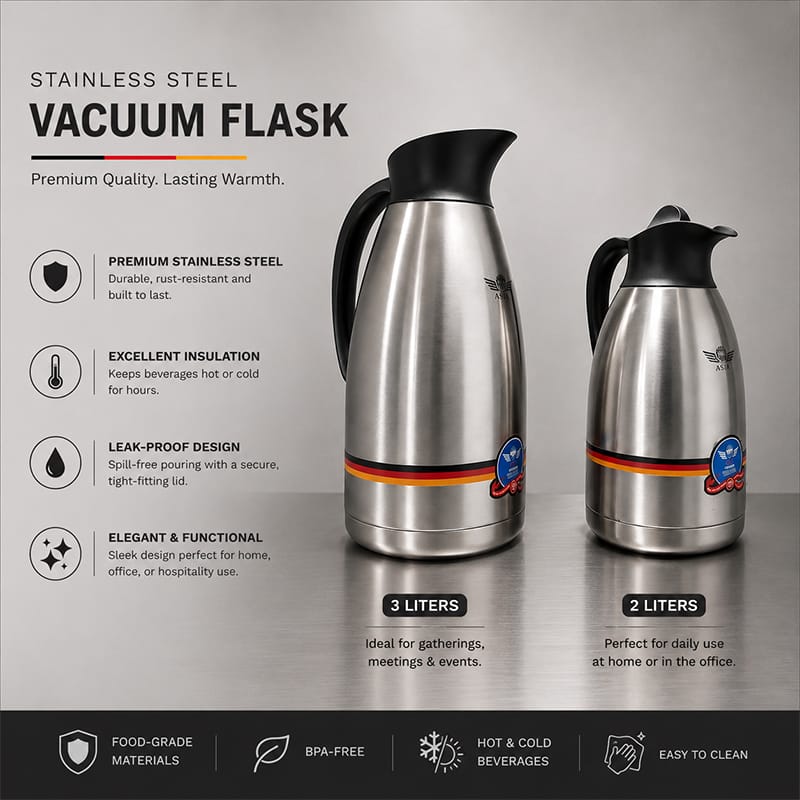
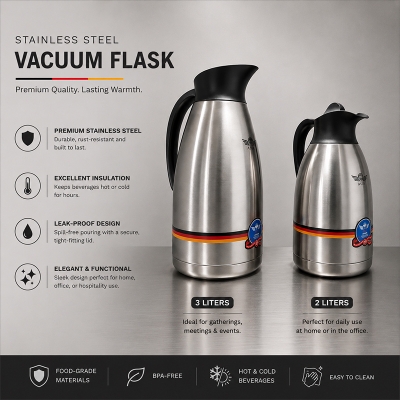
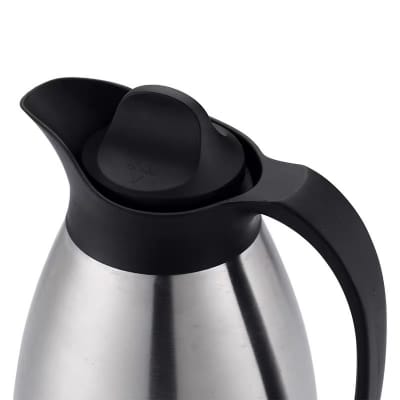
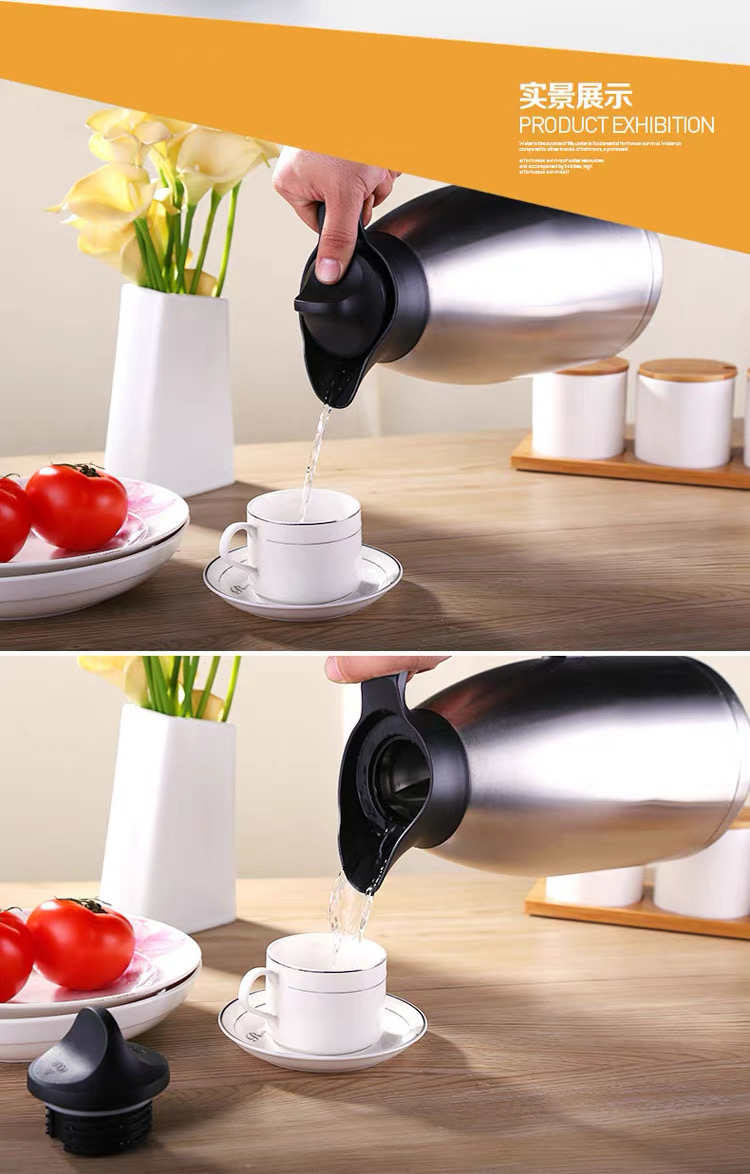
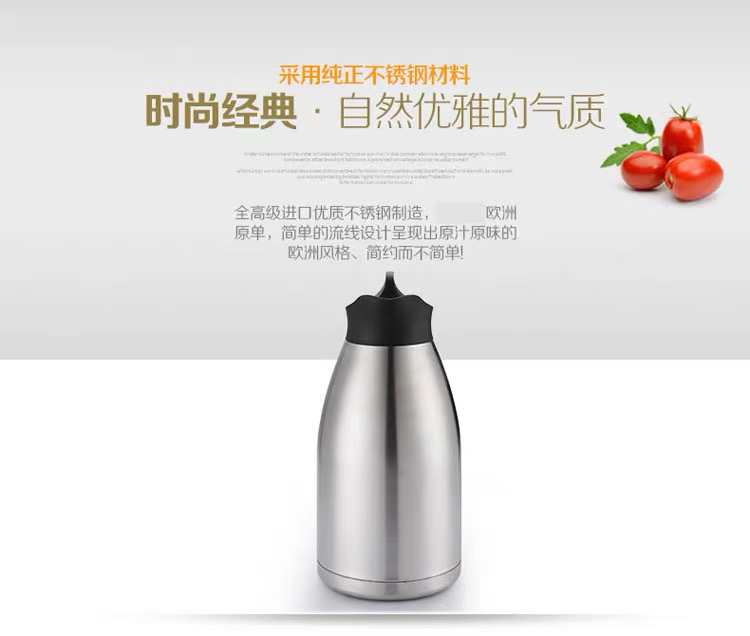
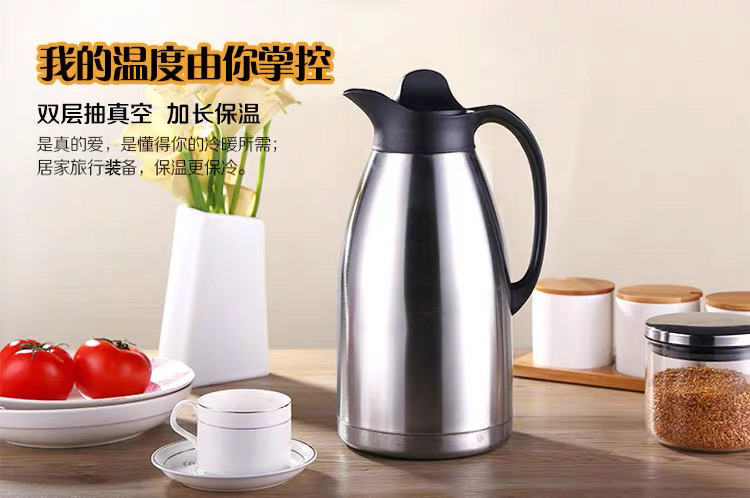
A vacuum flask (widely known as a thermos) is an insulating storage vessel that maintains the temperature of its contents. By creating a barrier against heat transfer, it keeps hot liquids hot and cold liquids cold for extended periods.
How it Works
A vacuum flask relies on advanced thermal insulation to stop heat from escaping or entering. It achieves this by tackling the three main methods of heat transfer:
-
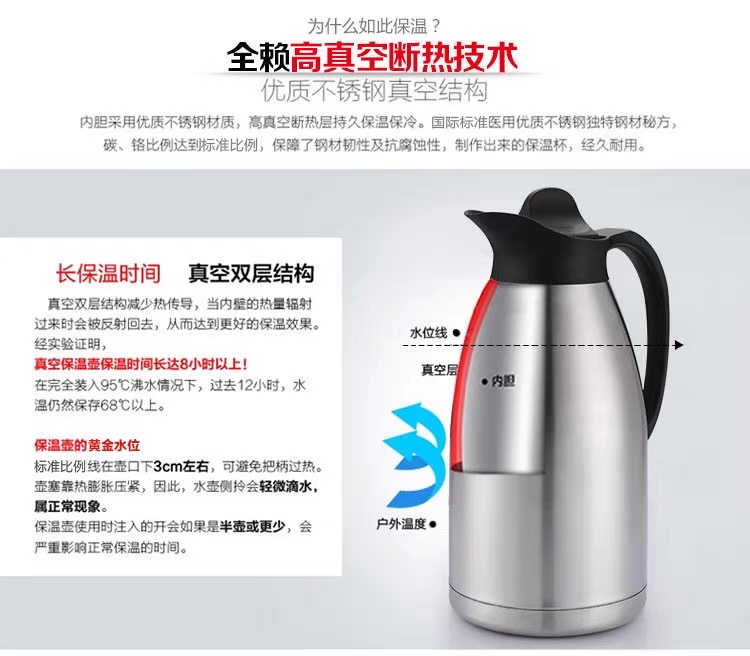
Conduction: The flask is built with double walls (usually made of stainless steel or glass) with a near-vacuum gap between them. Because there is virtually no air in this space, heat cannot transfer through direct contact.
-
Convection: Since there are no air particles circulating within the vacuum, heat loss or gain through convection is completely halted.
-
Radiation: The inner walls facing the vacuum are often coated with a reflective, shiny layer (such as silver) to bounce radiant heat back into the flask.
Key Features & Components
-
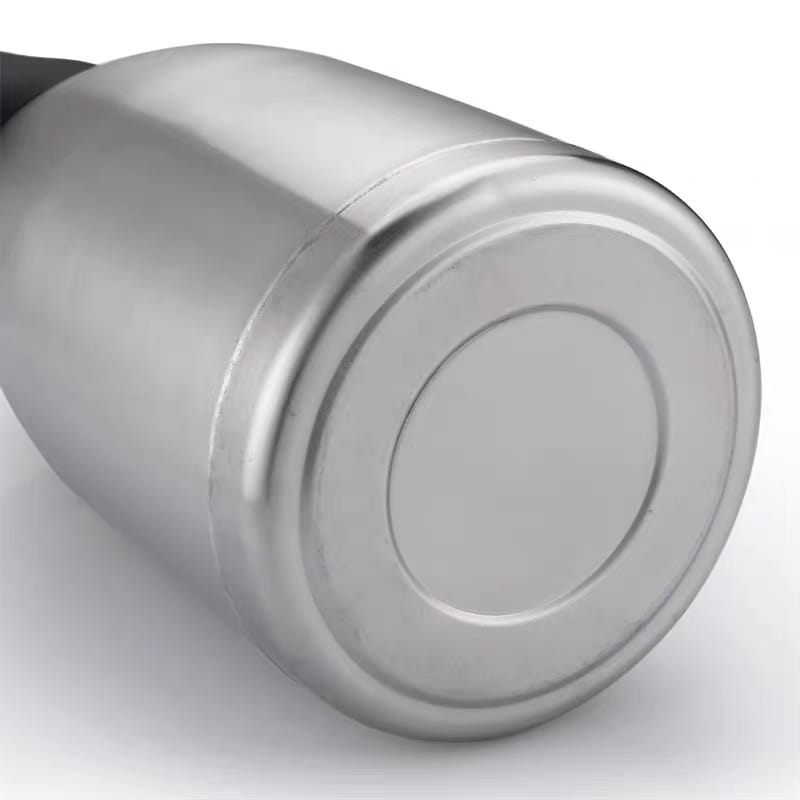
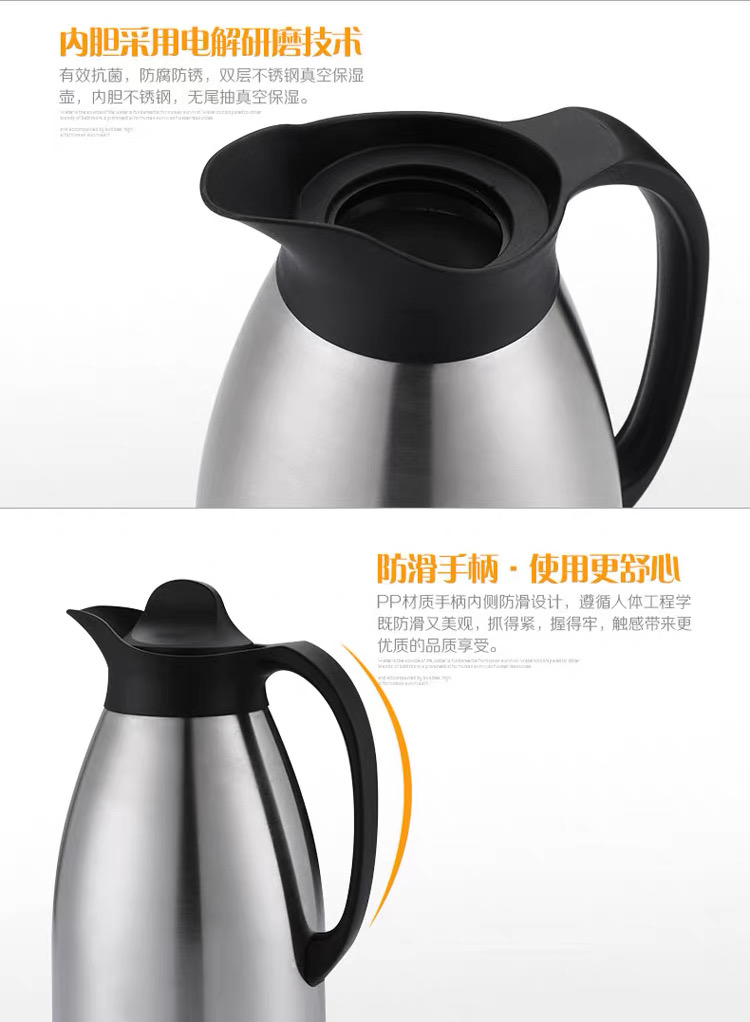
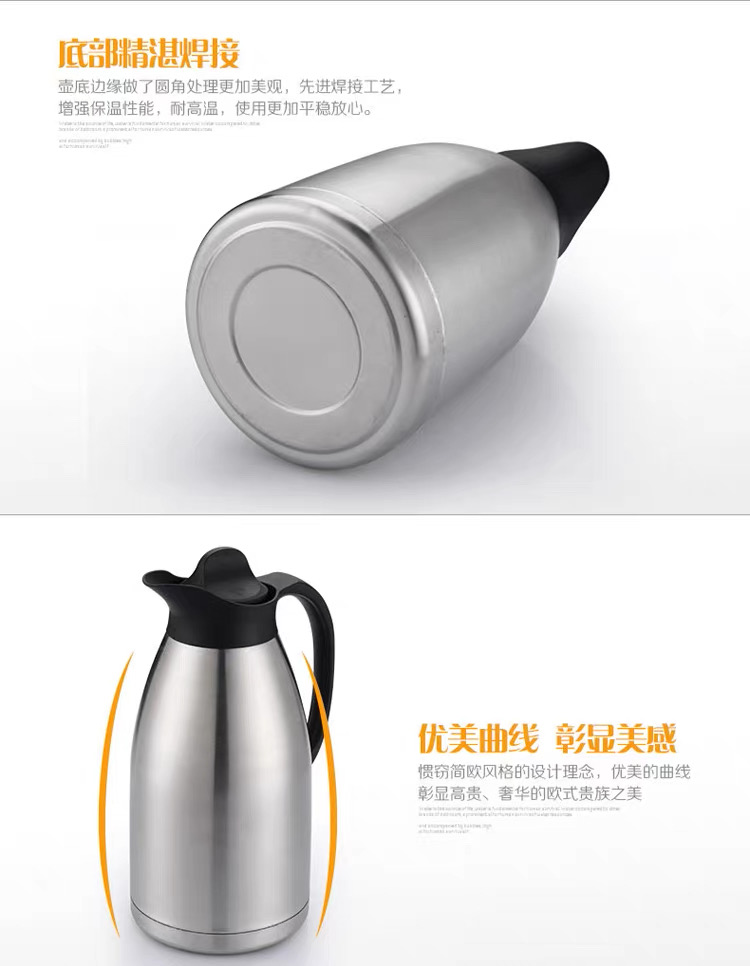
Double-Walled Body: Creates the structural housing for the vacuum layer. Modern flasks use durable stainless steel, while early designs and laboratory flasks rely on glass.
-
Vacuum Seal: The "empty" space between the walls that serves as the primary insulator.
-
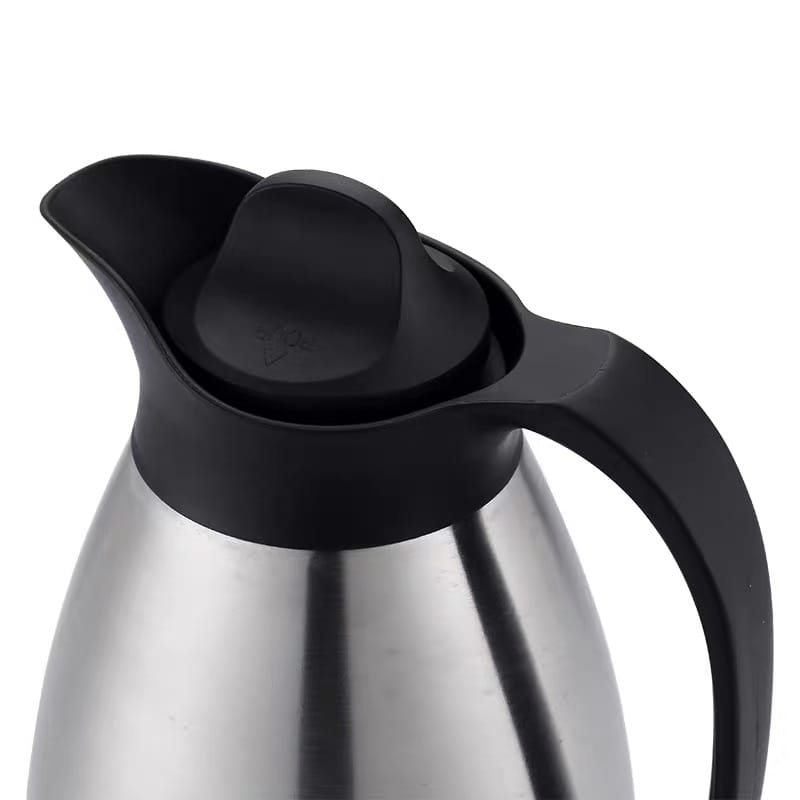
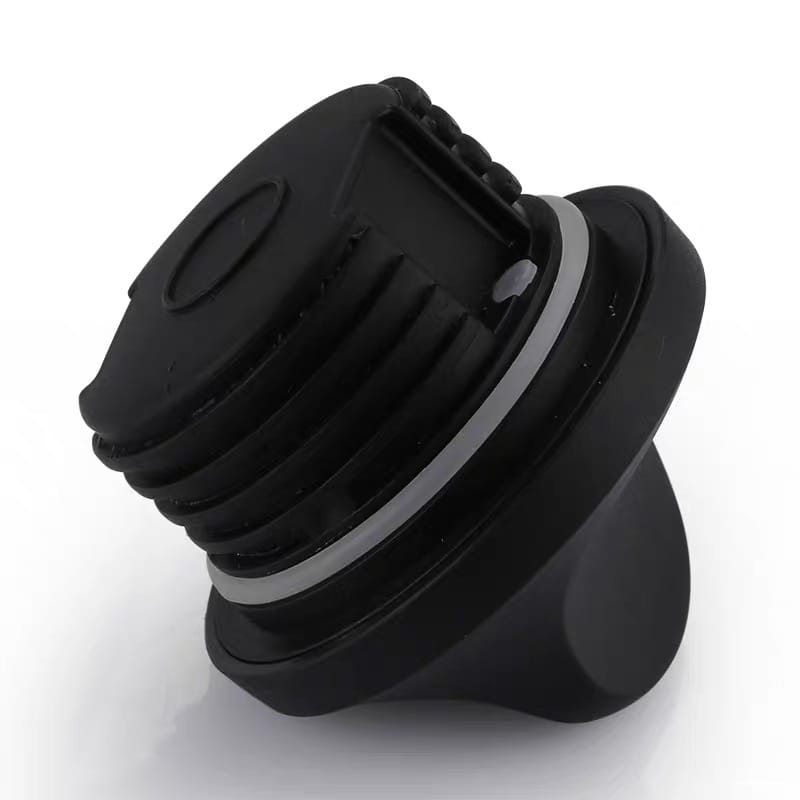
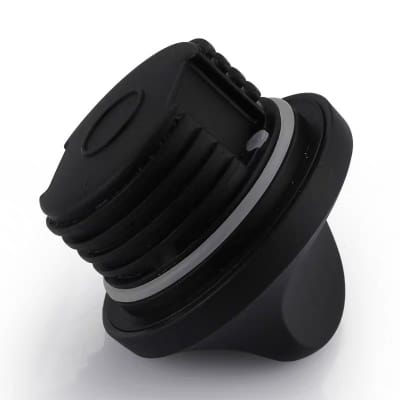
Insulated Stopper: A tight lid (often made of plastic with foam or cork) is placed on the narrow neck. This prevents air from entering or escaping, reducing heat transfer at the only point where the inner and outer walls touch.
-
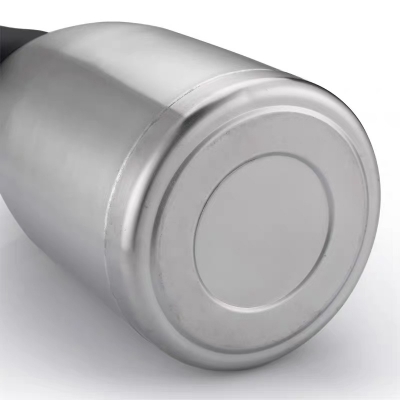
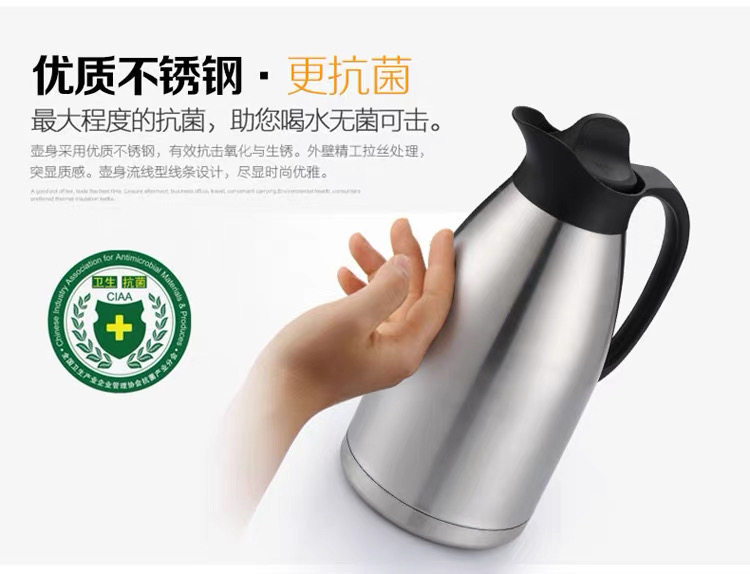
Outer Casing: Protects the inner fragile layers and provides a sturdy, ergonomic grip for everyday mobility.



Customer Questions and answers :
Login to ask a question
