



 Electronics
  Sports
  Automotive
  Stationery, Books & Music
  Lifestyle
  Fashion
 _20.jpeg) Home
Home  Garden & Pet Care
  Grocery
  Electronics
  Sports
  Automotive
  Stationery, Books & Music
  Lifestyle
  Fashion
 _20.jpeg) Home
Home  Garden & Pet Care
  Grocery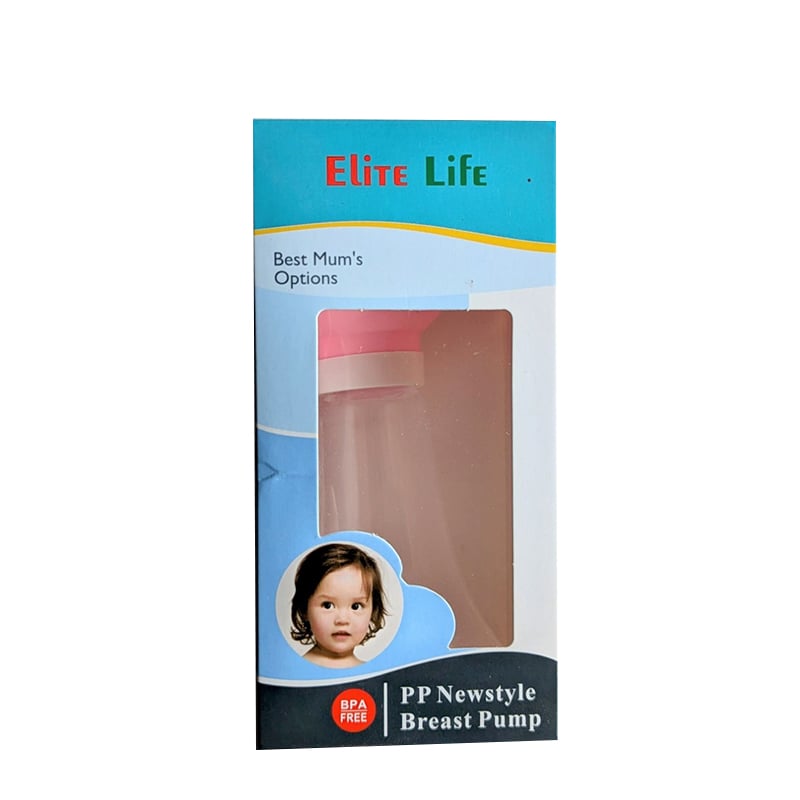
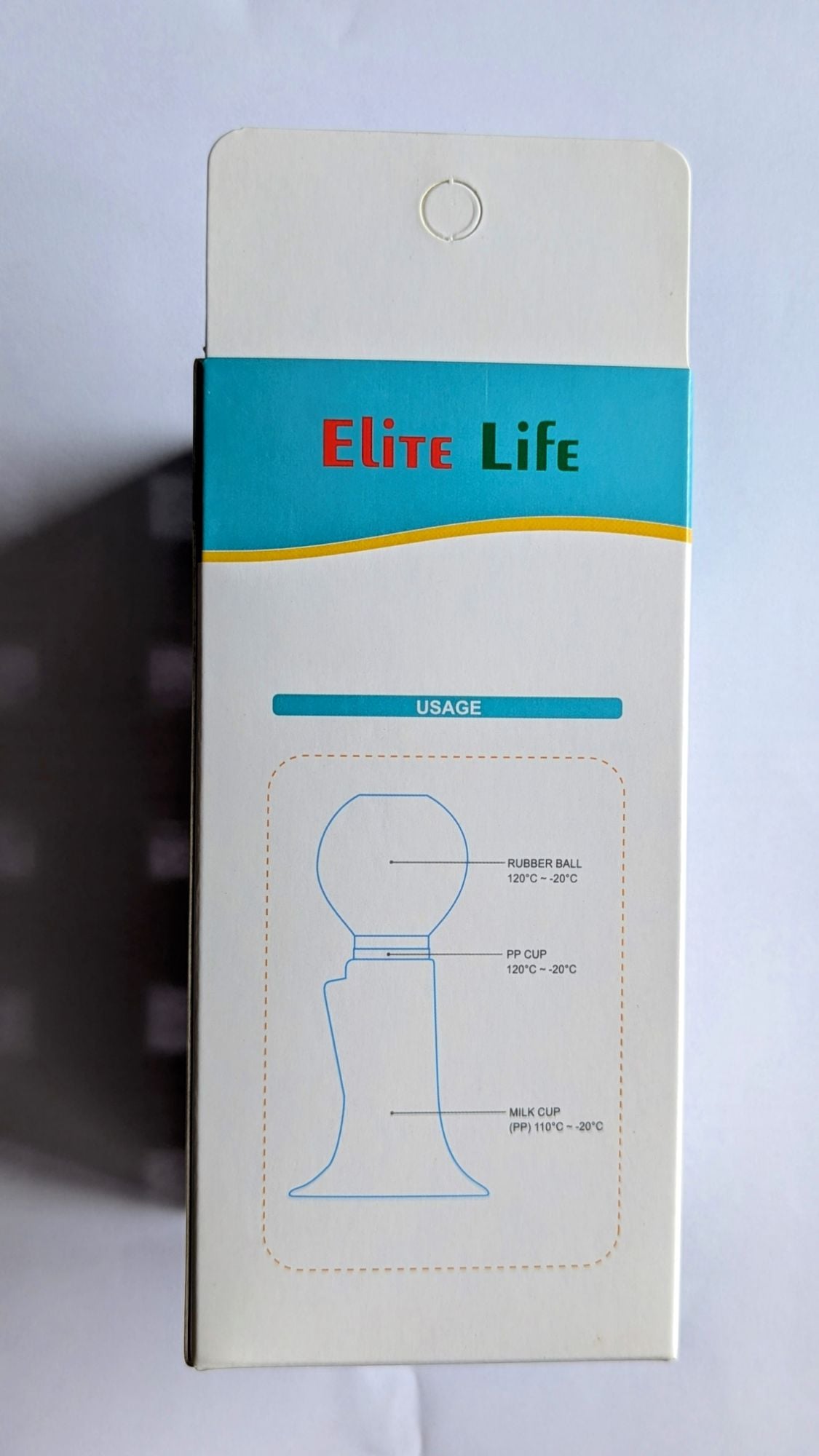
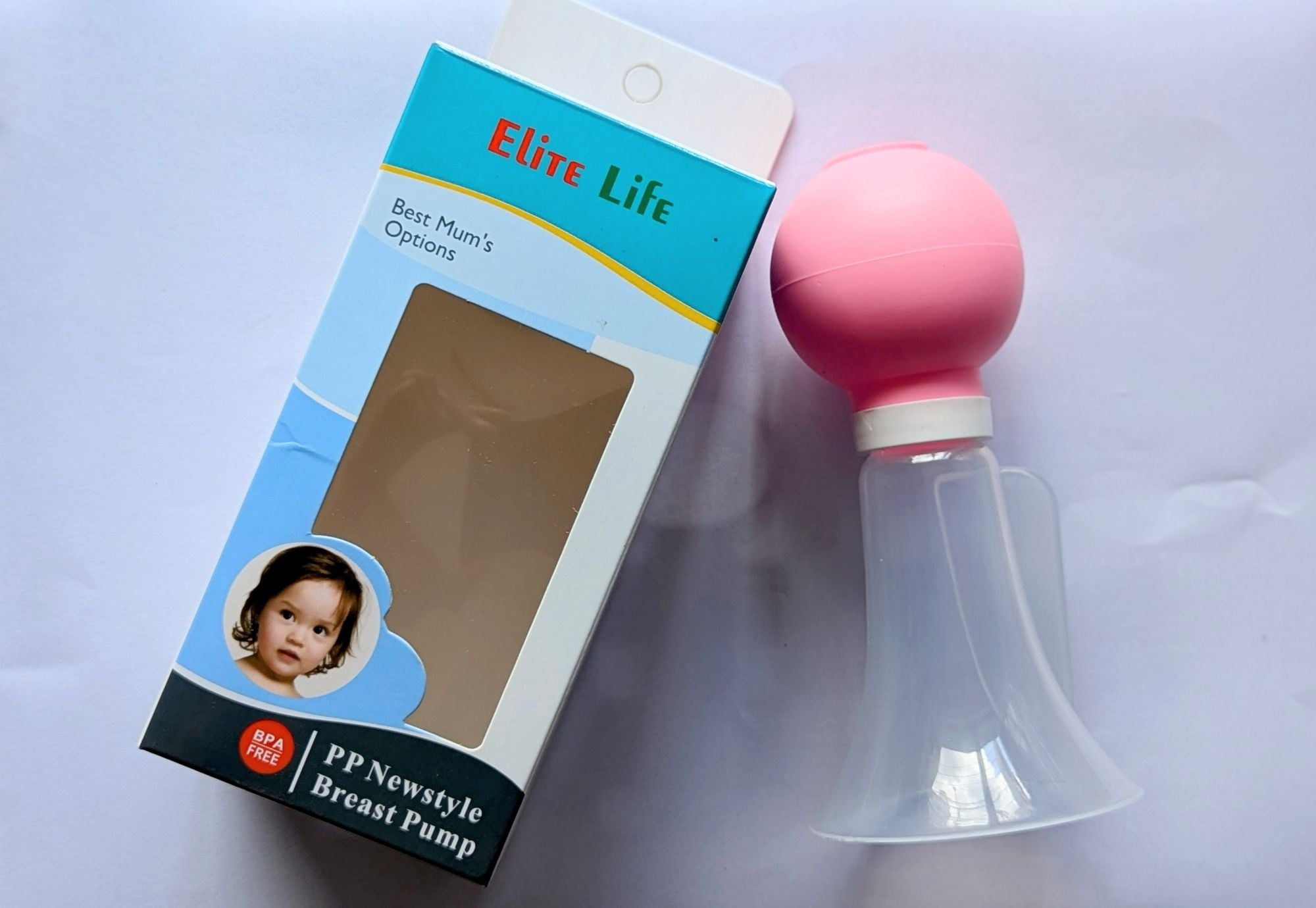

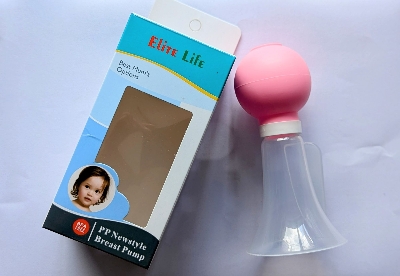
A breast pump is a device that lactating individuals use to manually or electrically extract milk from their breasts. These pumps can be used to maintain or increase milk supply, relieve engorgement, or assist with breastfeeding.
Here's a more detailed description:
Purpose:
Breast pumps are used to collect and store breast milk for later use, or to stimulate milk production.
Types:
Breast pumps can be manual or electric. Manual pumps are operated by hand, while electric pumps are powered by electricity or batteries.
Mechanism:
Breast pumps create suction to mimic the natural suckling action of a baby, extracting milk from the breast.
Benefits:
They can help mothers maintain milk supply when separated from their baby, provide a way to feed a baby with a formula if breastfeeding is not possible, and relieve engorgement or plugged ducts.
Usage:
Breast pumps typically involve placing a cone-shaped shield over the nipple and then either squeezing a handle (manual) or turning on the electric pump.
Types of Pumps:
Manual pumps: These pumps are operated by hand and require the user to repeatedly squeeze a handle to create suction.
Electric pumps: These pumps are powered by electricity or batteries and offer adjustable settings for suction and expression rates.
Hospital-grade pumps: These pumps are more powerful and are often used by mothers who need to pump frequently or have low milk supply.

Login to ask a question
