



 Electronics
  Sports
  Automotive
  Stationery, Books & Music
  Lifestyle
  Fashion
 _20.jpeg) Home
Home  Garden & Pet Care
  Grocery
  Electronics
  Sports
  Automotive
  Stationery, Books & Music
  Lifestyle
  Fashion
 _20.jpeg) Home
Home  Garden & Pet Care
  Grocery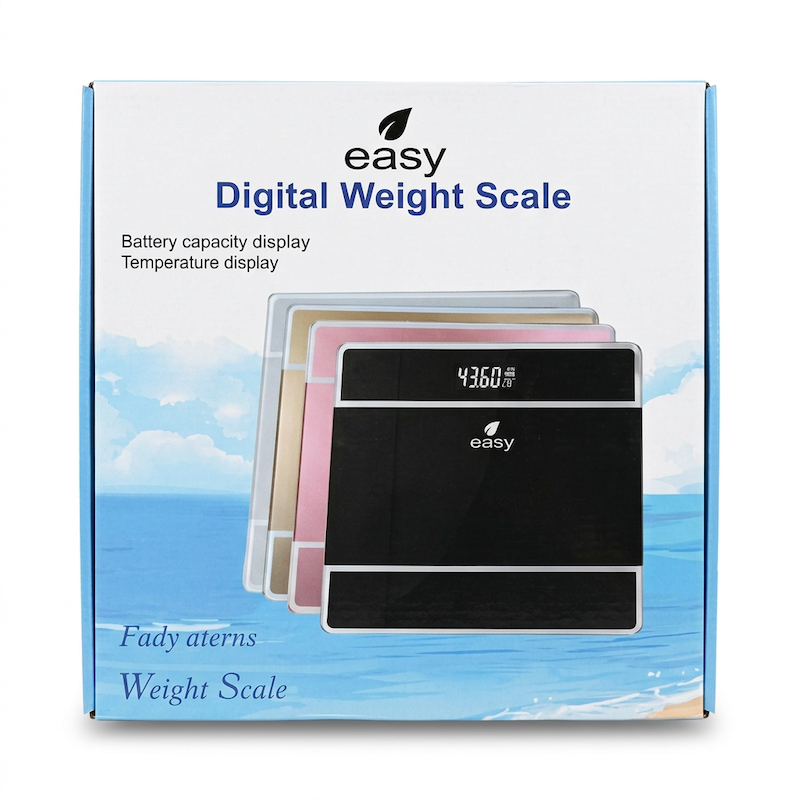
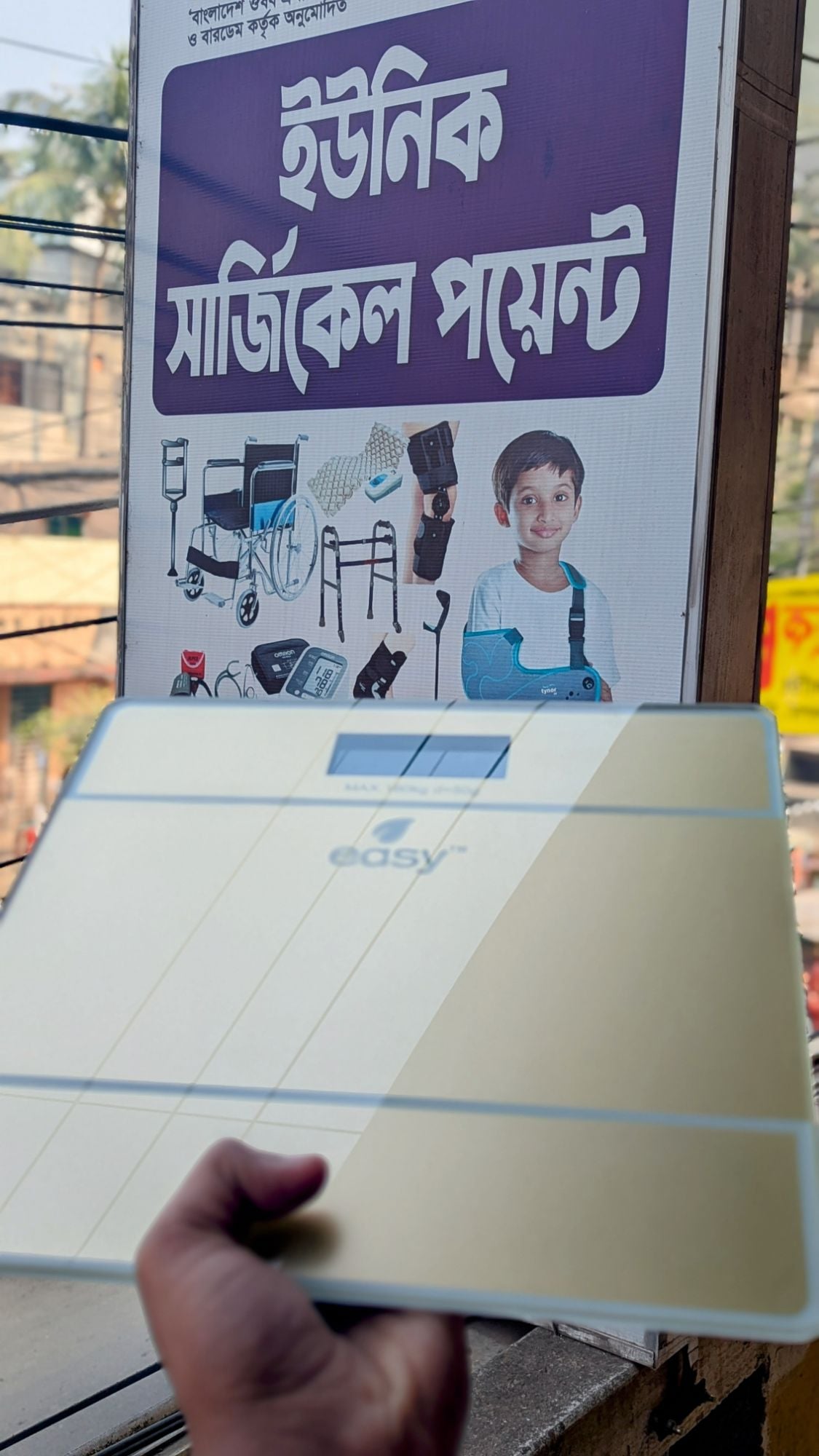
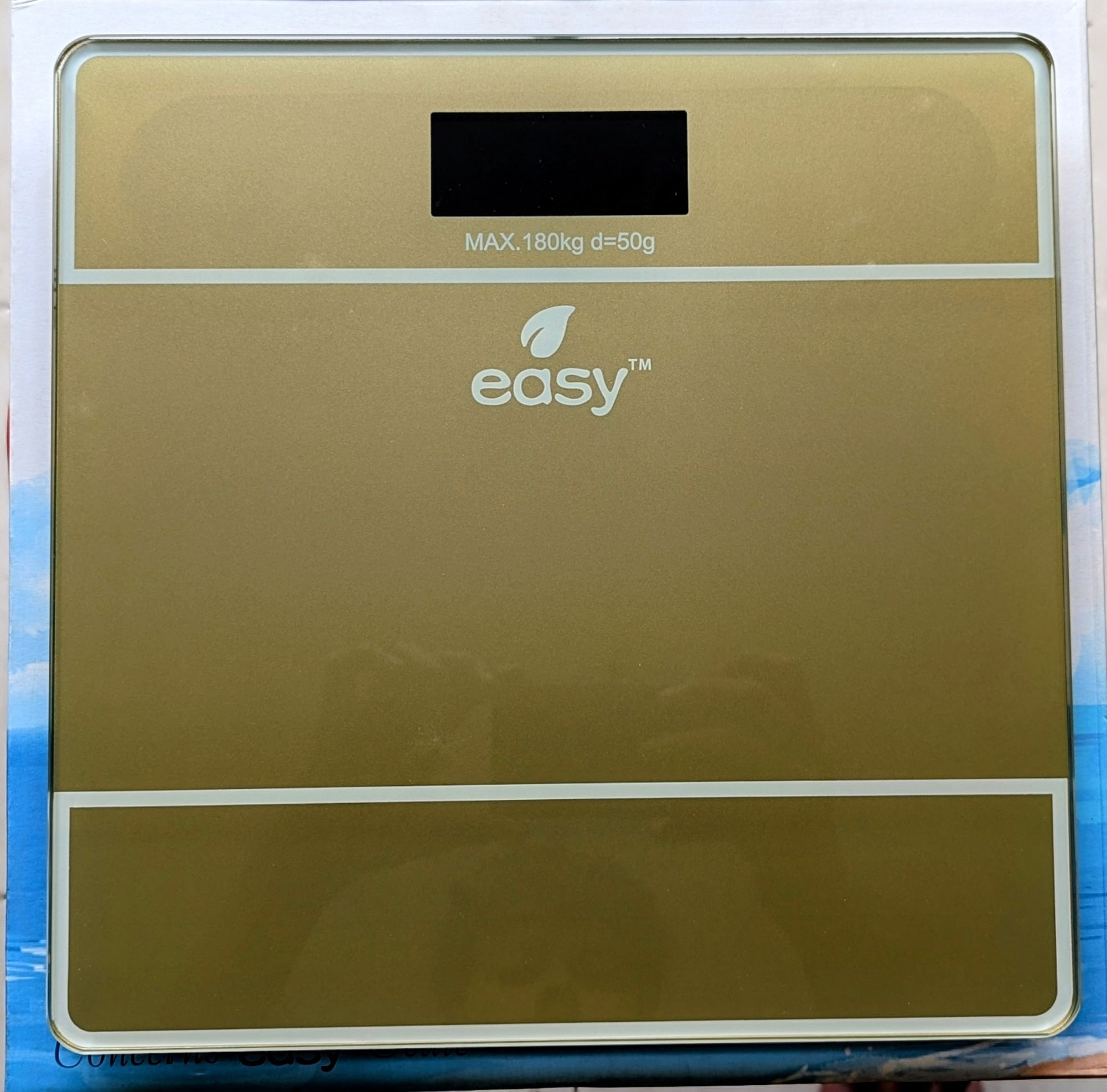
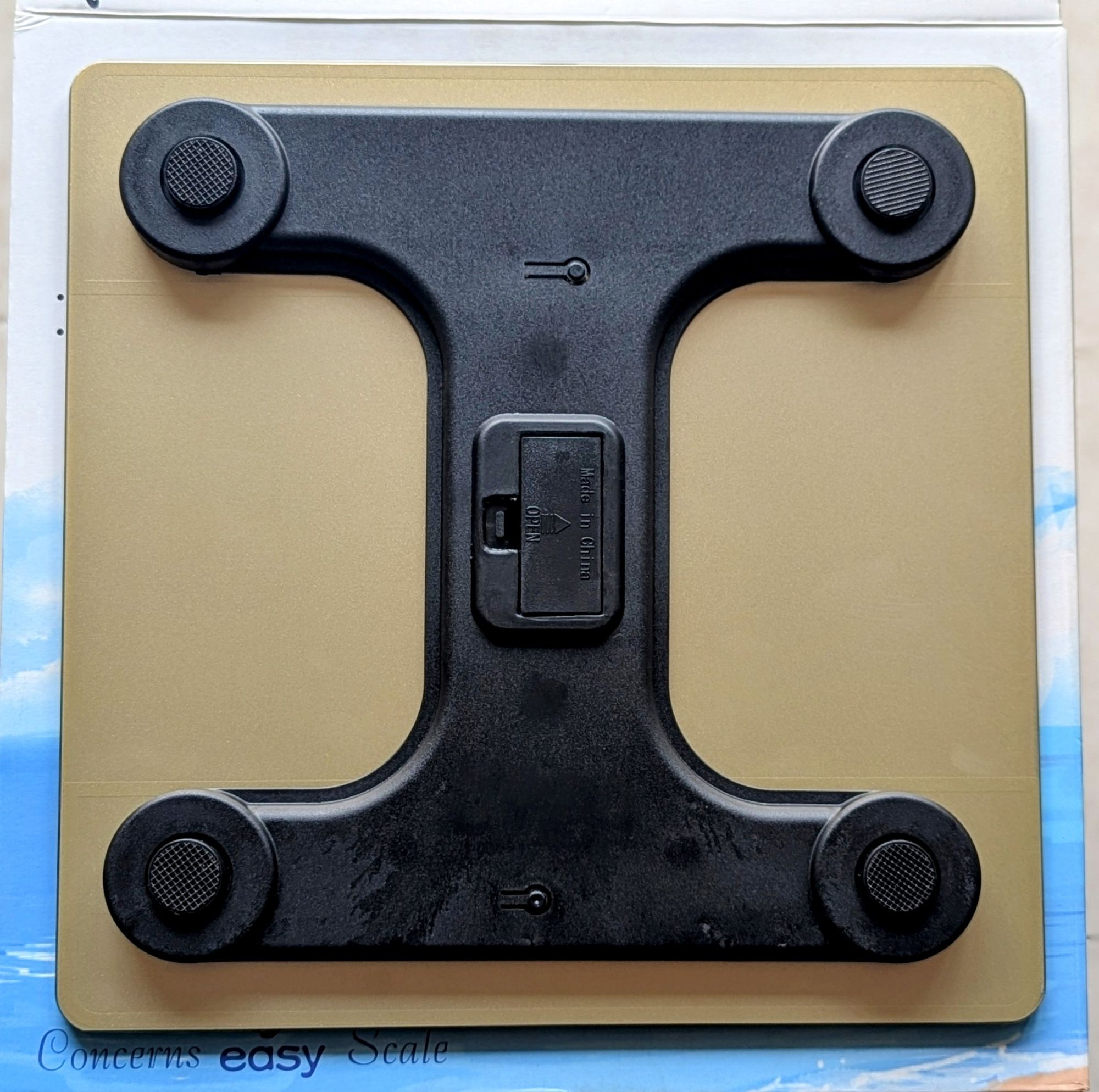
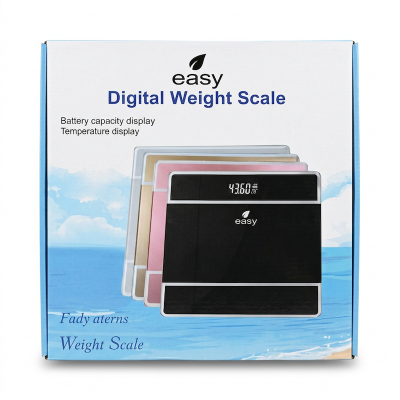
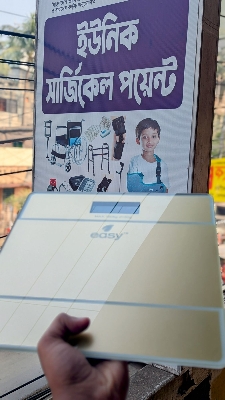
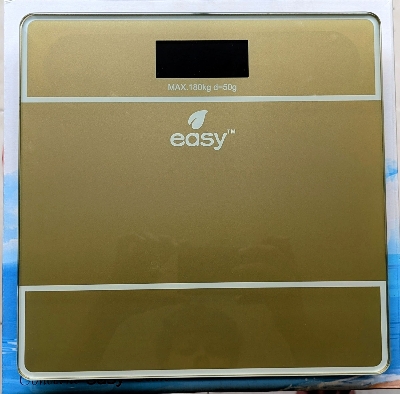
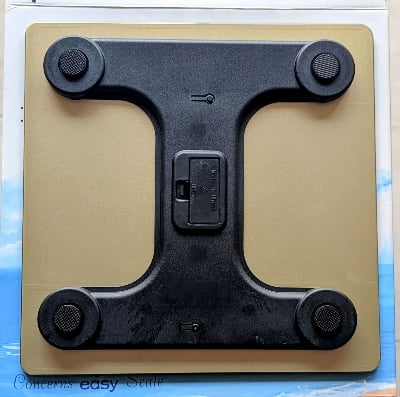
A digital weighing scale, also known as an electronic scale, is a device that measures the weight of an object or person:
How it works
A digital weighing scale uses sensors to measure the weight of an object and display the result on an LCD screen. The sensors, called load cells, convert the force applied by the object into an electrical signal. The processing part of the scale receives the signal and displays it as a digital readout in units like grams or kilograms.
Accuracy
Digital scales are generally more accurate than analog scales because they use digital technology to provide more precise measurements.
Uses
Digital weighing scales are used in many industries, including pharmacology, chemistry, medicine, transportation, food, and retail.
Power
Digital weighing scales can be powered by AC/DC or battery, and the battery is often rechargeable.
Features
Some digital weighing scales can be connected to a computer via a serial cable to send information like weight, status, and unit weight. The computer can then display this information on a screen or print it.
Design
Some digital weighing scales have a surface made of tempered glass that is easy to clean and waterproof.

Login to ask a question
