



 Electronics
  Sports
  Automotive
  Stationery, Books & Music
  Lifestyle
  Fashion
 _20.jpeg) Home
Home  Garden & Pet Care
  Grocery
  Electronics
  Sports
  Automotive
  Stationery, Books & Music
  Lifestyle
  Fashion
 _20.jpeg) Home
Home  Garden & Pet Care
  Grocery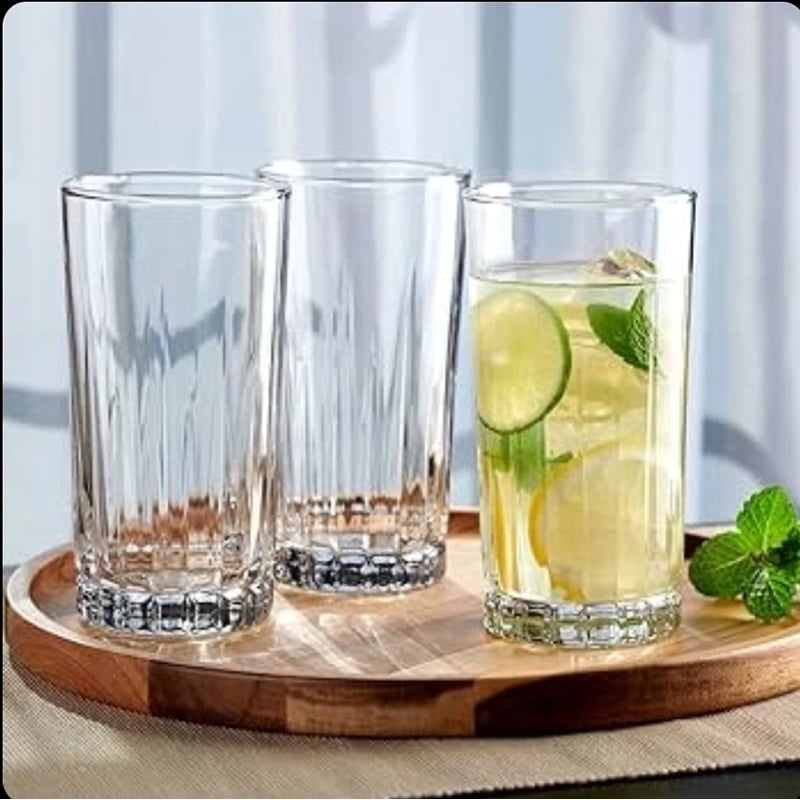
1. Health & Safety
Unlike some plastics or metals, glass doesn't leach chemicals into your drink, even when exposed to heat or acidity.
No odor or taste transfer: Glass won’t retain or alter the taste of beverages, making it ideal for things like coffee, wine, or juice.
2. Environmental Benefits
Reusable & Long-lasting: Glass cups can be used for many years if handled carefully, reducing waste.
100% recyclable: Glass can be endlessly recycled without loss of quality or purity, unlike plastic which degrades after a few cycles.
3. Aesthetic Appeal
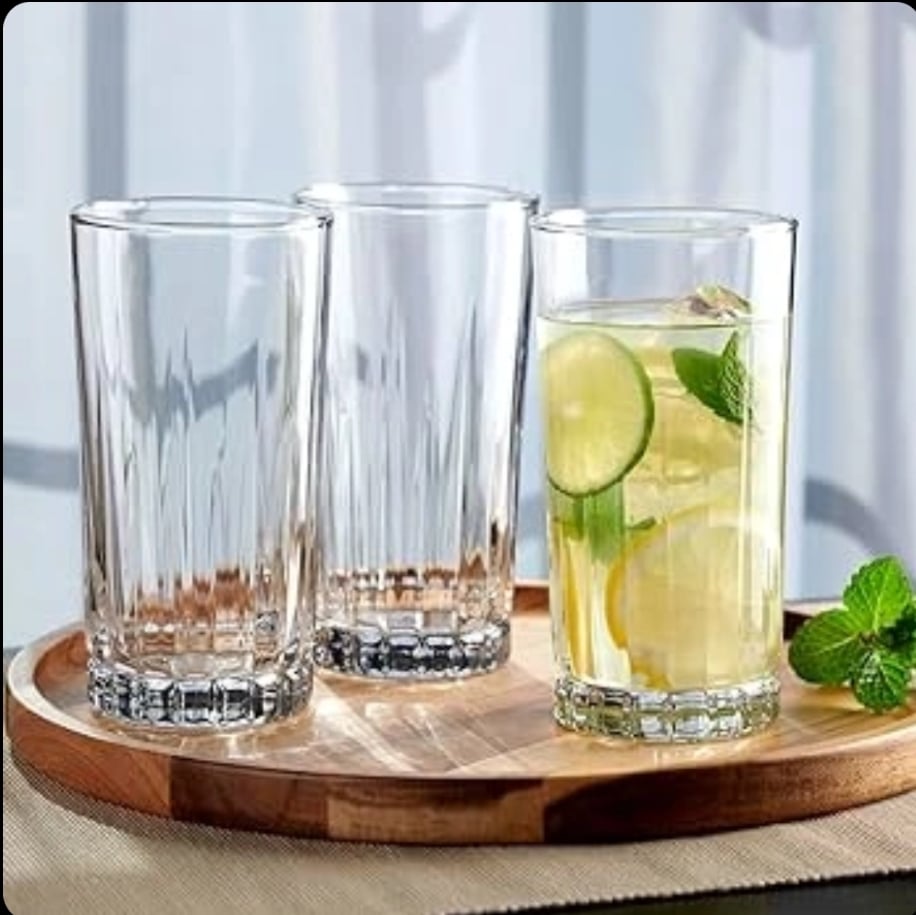
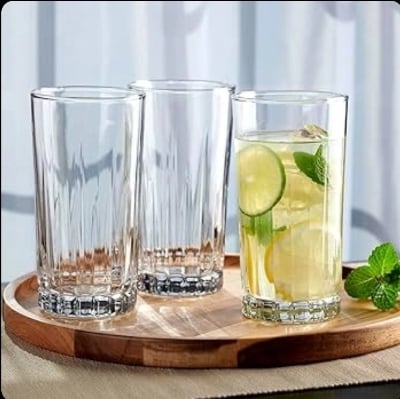
Clarity & elegance: Glass cups look clean, modern, and premium. The transparency also allows you to appreciate the color and clarity of the drink.
4. Temperature Resistance
Can handle hot and cold drinks: Borosilicate glass, in particular, is designed to withstand temperature extremes, so you can pour hot coffee or iced drinks without worry.
Microwave & dishwasher safe: Many glass cups are microwaveable and easy to clean in the dishwasher.
5. Sustainability Over Time
Better lifecycle impact: While the production of glass requires more energy upfront compared to plastic, its long life and recyclability make it a more sustainable choice over time.
6. Allergen-Free & Hypoallergenic
Ideal for sensitive users: Glass contains no dyes, BPA, or phthalates — substances found in some plastic products that may trigger allergies or hormone disruptions.
Weight: Glass cups are heavier than plastic or paper options, which might matter for travel or kids.

Login to ask a question
