



 Daily Bazar
  Electronics
  Mother, Baby & Toys
  Beauty
  Sports
  Automotive
  Stationery, Books & Music
  Fashion
 _20.jpeg) Home
Home  Garden & Pet Care
  Grocery
  Daily Bazar
  Electronics
  Mother, Baby & Toys
  Beauty
  Sports
  Automotive
  Stationery, Books & Music
  Fashion
 _20.jpeg) Home
Home  Garden & Pet Care
  Grocery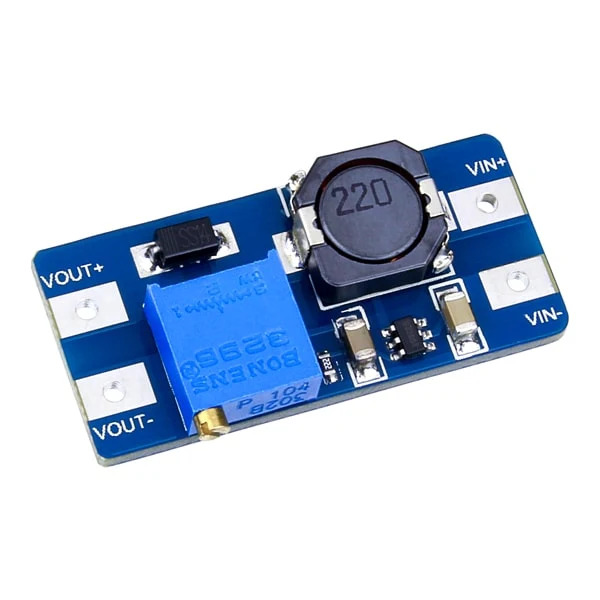
Product Description:
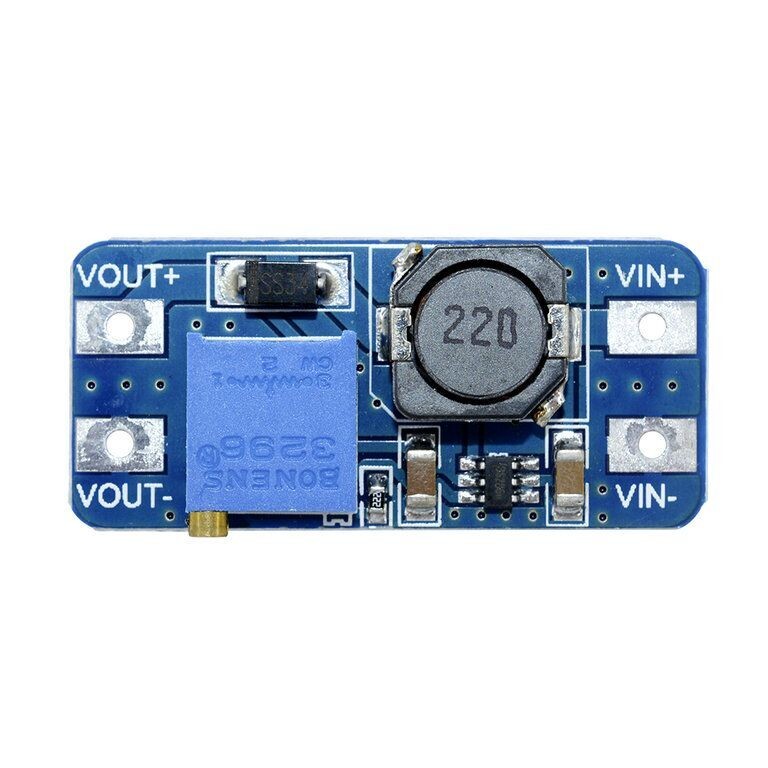
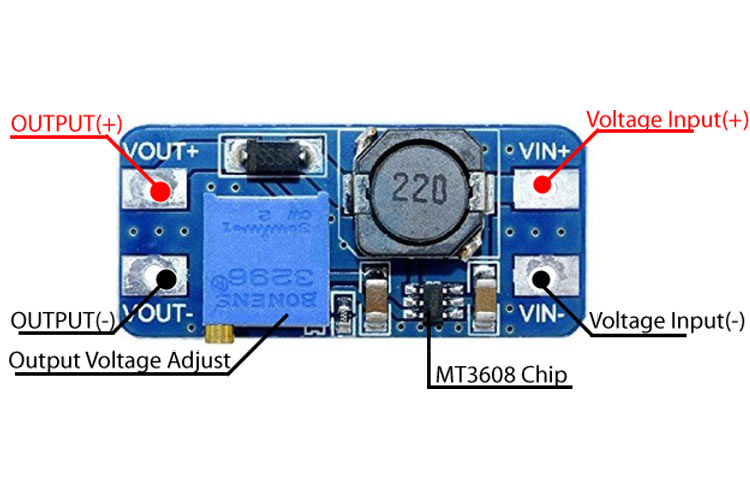
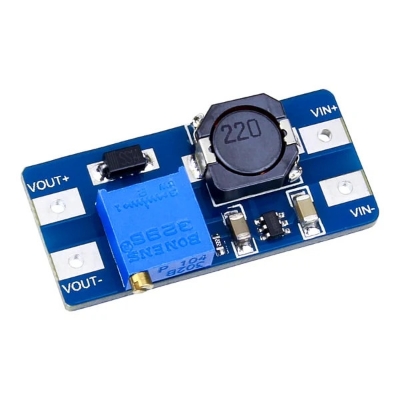
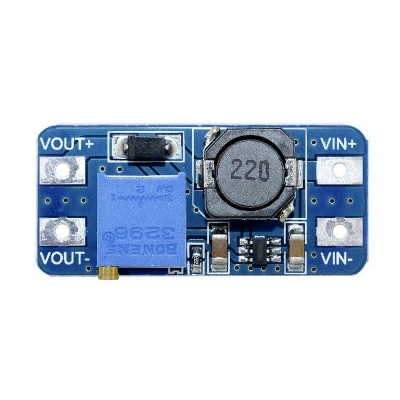
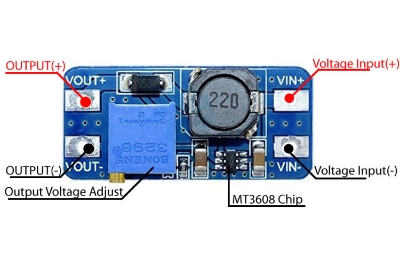
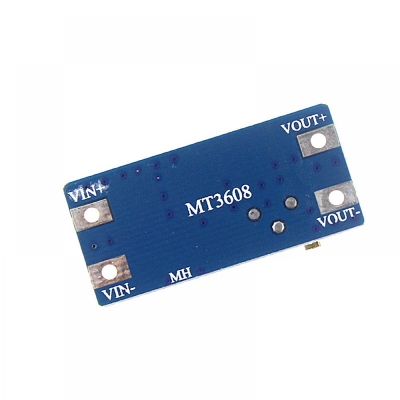
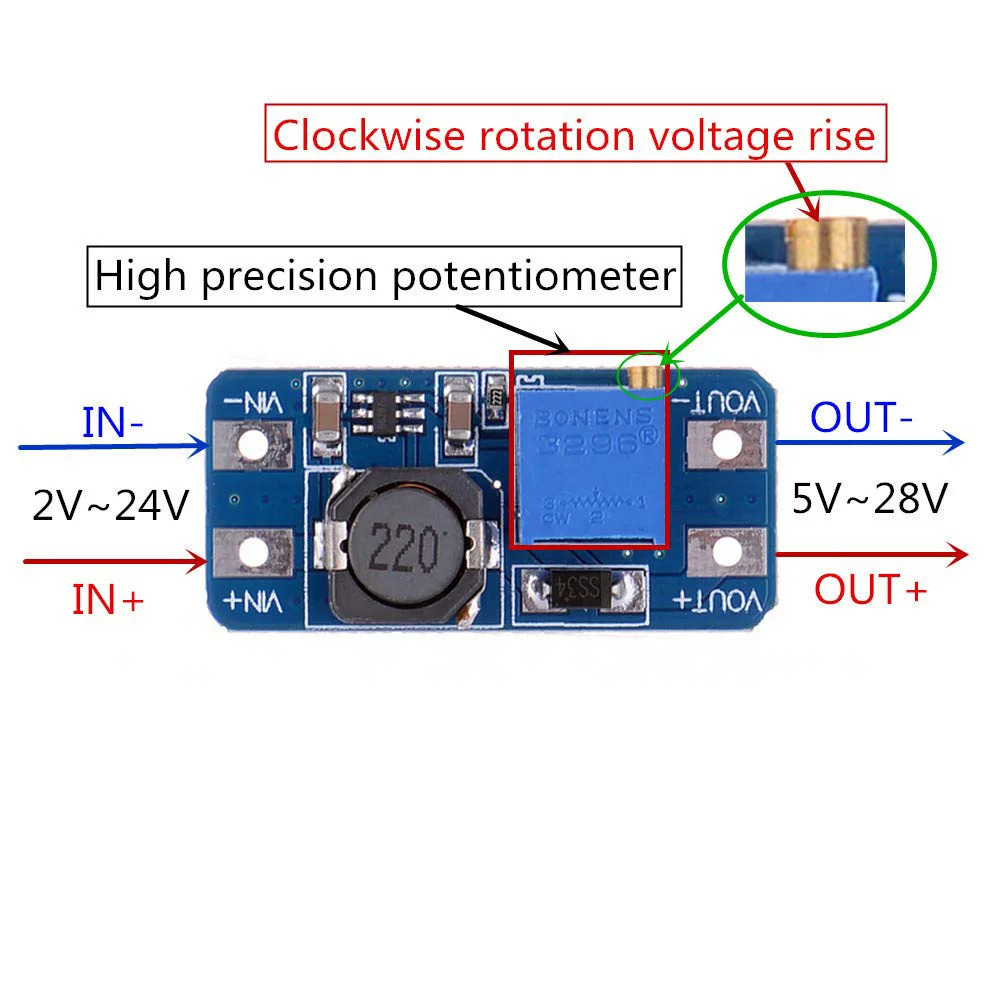
The MT3608 DC-DC Boost Converter is a compact, high-efficiency step-up (boost) voltage regulator based on the MT3608 IC. It is designed for low-power applications and can step up an input voltage as low as 2V to as high as 28V, making it ideal for powering higher-voltage devices from low-voltage power sources such as lithium-ion batteries, AA/AAA batteries, or solar panels. This capability is particularly useful in situations where traditional power sources are unavailable or impractical, like in portable devices or remote sensors. For instance, using a 3.7V lithium battery, this module effectively boosts the voltage to drive a 5V or 12V USB-powered device, ensuring versatility in your projects.
Its onboard potentiometer allows easy adjustment of the output voltage, making it perfect for DIY electronics, embedded systems, and battery-powered projects. The MT3608 is widely used in portable devices, battery charging circuits, and anywhere a stable higher voltage is needed from a lower source. The flexibility of output voltage adjustment empowers users to customize the converter for various applications, enhancing its utility. For example, hobbyists often implement this in Arduino projects requiring specific voltage levels, showcasing its adaptability in the maker community.
Key Features:
- Input Voltage: 2V to 24V DC. This broad range allows for flexibility in the choice of power sources, accommodating a variety of battery types and configurations.
- Output Voltage: Adjustable from 2V to 28V DC (must be higher than input voltage). The ability to fine-tune the output voltage opens up numerous possibilities for applications, enabling the driver of devices needing specific voltage requirements.
- Output Current: The MT3608 can deliver significant current to powered devices, ensuring functionality across various applications.
- Typical: 1.5A, which is sufficient for many small electronic projects.
- Maximum: 2A (with adequate cooling). This capability allows for powering devices that have higher current demands when properly managed.
- Efficiency: Up to 93% (depending on input voltage and load). This high efficiency minimizes energy loss, making the MT3608 an environmentally friendly choice for power conversion.
- Switching Frequency: ~1.2 MHz. This frequency allows for compact designs, as it reduces the size of the passive components needed.
- Voltage Adjustment: Via onboard multi-turn potentiometer, ensuring precise control over output voltage to meet specific project requirements.
- Conversion Type: Non-isolated step-up (boost). This highlights the converter’s efficiencies in applications requiring higher voltages.
- Protection Features: The MT3608 includes several safety mechanisms, making it a reliable choice for projects.
- Thermal protection is essential in preventing overheating, safeguarding both the module and connected devices.
- Overcurrent protection (limited) prevents damage from excessive current draw, enhancing overall safety during operation.
- Dimensions: Approximately 36mm × 17mm × 14mm. Its compact size makes it easy to integrate into various projects where space is at a premium.
- Weight: Around 5 grams. The lightweight nature of this module is particularly beneficial for portable applications.
- Operating Temperature: -40°C to +85°C. This wide range allows the MT3608 to perform effectively in diverse environmental conditions.
- PCB Type: Double-layer. This design enhances durability and performance, allowing for more efficient routing of power and signals.
- Mounting Style: Through-hole pins (compatible with breadboards). This feature fosters easy prototyping and experimentation.
Applications:
- Powering 5V or 12V devices from 3.7V lithium batteries, a common scenario in mobile electronics where higher voltages are required.
- DIY portable USB chargers, allowing users to create custom charging solutions for mobile devices.
- Arduino and Raspberry Pi projects, where the need for varying voltage levels is critical for functionality.
- Solar-powered devices, optimizing the use of renewable energy sources in practical applications.
- LED lighting systems, where higher voltages are necessary to power multiple LEDs effectively.

Login to ask a question
