



 Daily Bazar
  Electronics
  Mother, Baby & Toys
  Beauty
  Sports
  Automotive
  Stationery, Books & Music
  Special Weekly Offer
  Global Finds
  Quick Commerce
 _20.png) Fashion Luxe
Fashion Luxe  Sports Shoes
  Fashion
 _20.jpeg) Home
Home  Garden & Pet Care
  Grocery
  Daily Bazar
  Electronics
  Mother, Baby & Toys
  Beauty
  Sports
  Automotive
  Stationery, Books & Music
  Special Weekly Offer
  Global Finds
  Quick Commerce
 _20.png) Fashion Luxe
Fashion Luxe  Sports Shoes
  Fashion
 _20.jpeg) Home
Home  Garden & Pet Care
  Grocery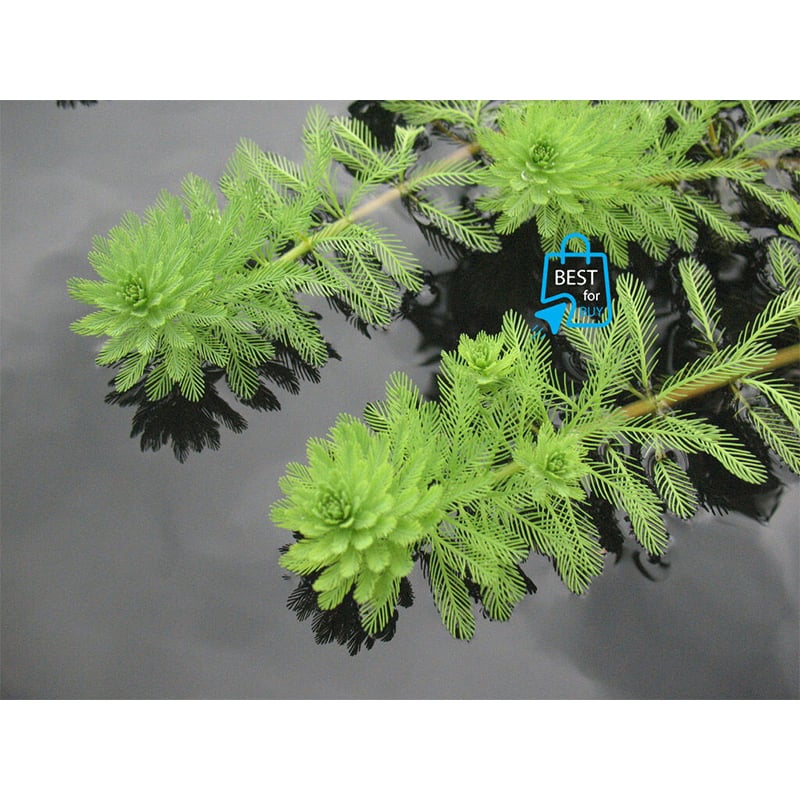
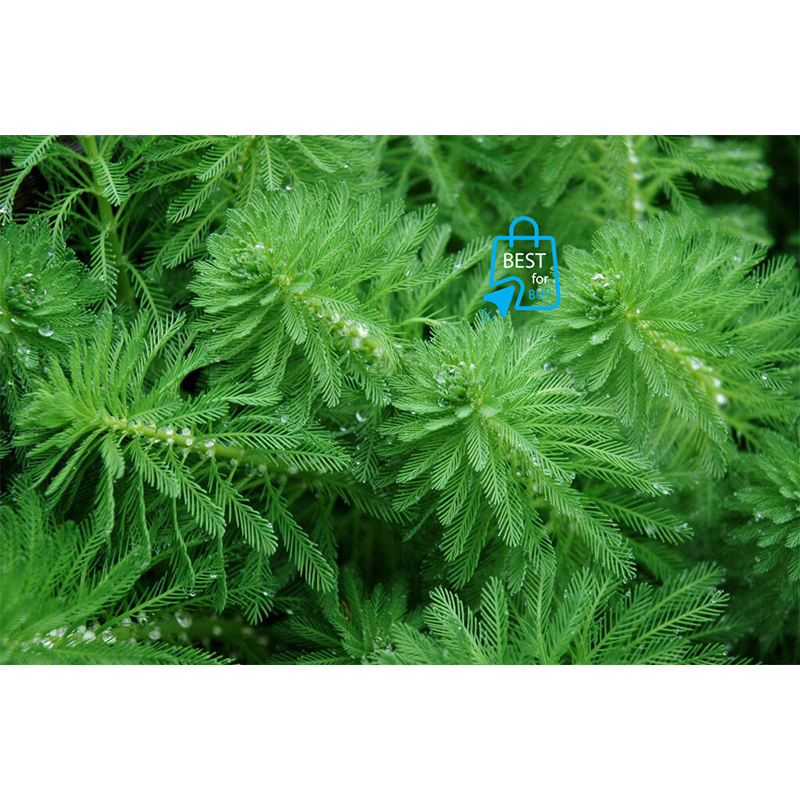
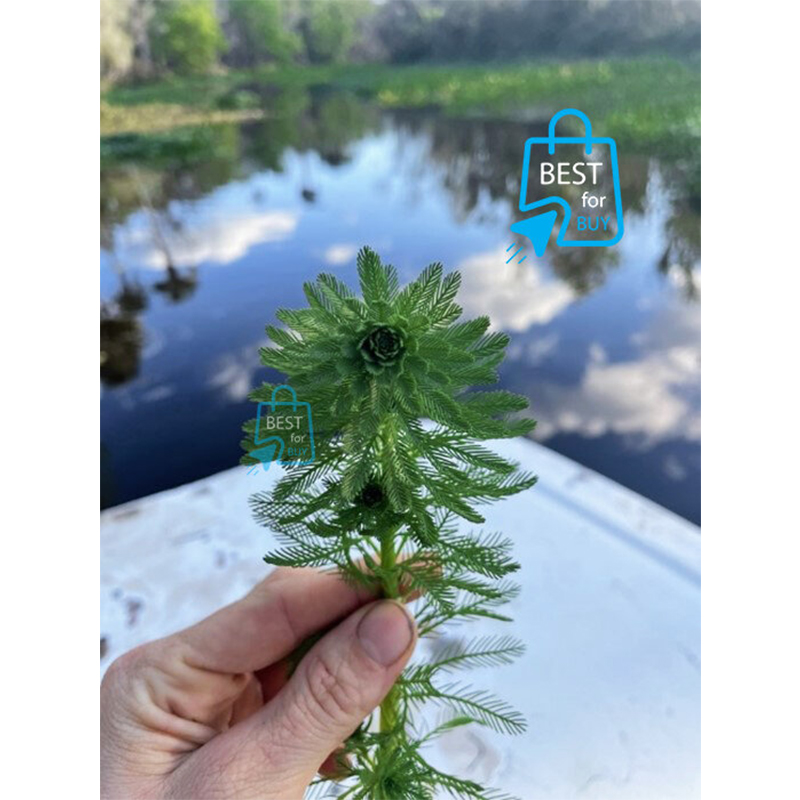
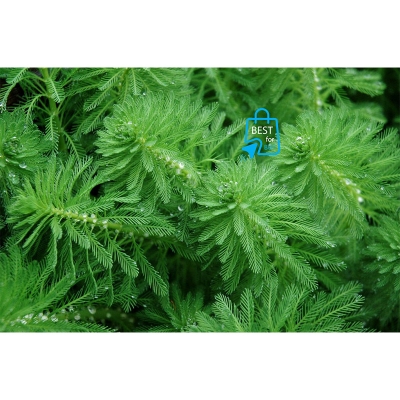
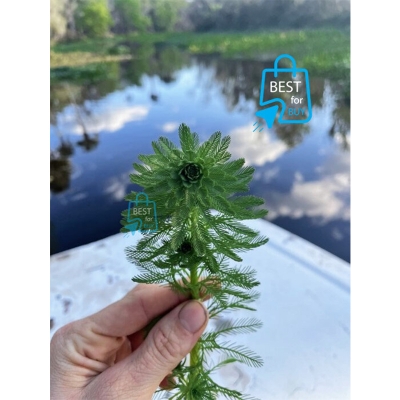
Parrot Feather Aquarium Plant Myriophyllum aquaticum Plant live plant (2 Stem)
Parrot-Feather
Myriophyllum aquaticum (Vell.) Verd. Water milfoil family (Haloragaceae)
Origin: South America
Background Parrot-feather was introduced to the United States in the Washington, DC area about 1890. Commonly sold for aquaria and aquatic gardens, it has escaped to become invasive in ponds and other calm water bodies in this region.
Distribution and Habitat Parrot-feather occurs in at least 26 states throughout the United States. It is limited to non-tidal, freshwater, slow-moving water bodies including tributaries, ponds, lakes and canals. It prefers good light, slightly alkaline and high-nutrient environments.
Ecological Threat It can form dense mats and compete with native aquatic plants, especially in shallow ponds. It also provides habitat for mosquito larvae, impedes boats and clogs drainage ditches.
Description and Biology
- Plant: aquatic plant with stout elongate stems suspended in the water column and/or floating; both stems and submerged leaves may be reddish tinted; gray-green tips of the stems with leaves may protrude above the water.
- Leaves: well-developed, finely pinnately divided, in whorls of mostly five with smooth leaf margins.
- Flowers, fruits and seeds: flowers and fruits, if present emerge from axils of leaves.
- Spreads: vegetatively from whole plants or fragments; it can be dispersed by people dumping aquaria into rivers and ponds and by animals carrying fruits and fragments on their bodies.
- Look-alikes: many species of submerged aquatic plants including non-native invasive Eurasian water-milfoil (Myriophyllum spicatum), and native species such as Northern water-milfoil (M. sibiricum), coontail (Ceratophyllum dmersum) and water marigold (Megalodonta beckii).


Login to ask a question
