



 Electronics
  Sports
  Automotive
  Stationery, Books & Music
  Lifestyle
  Fashion
 _20.jpeg) Home
Home  Garden & Pet Care
  Grocery
  Electronics
  Sports
  Automotive
  Stationery, Books & Music
  Lifestyle
  Fashion
 _20.jpeg) Home
Home  Garden & Pet Care
  Grocery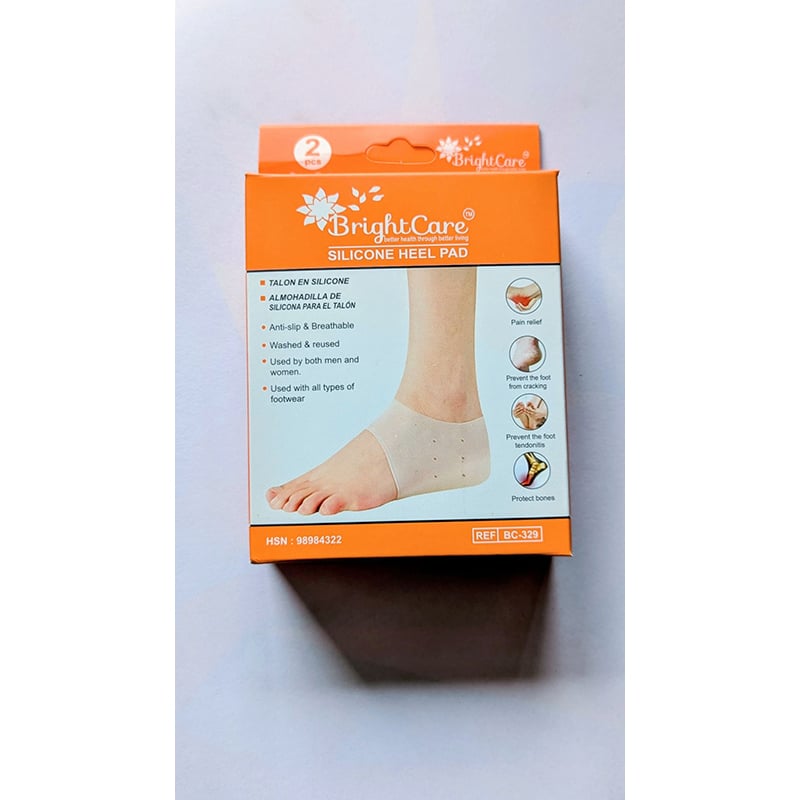
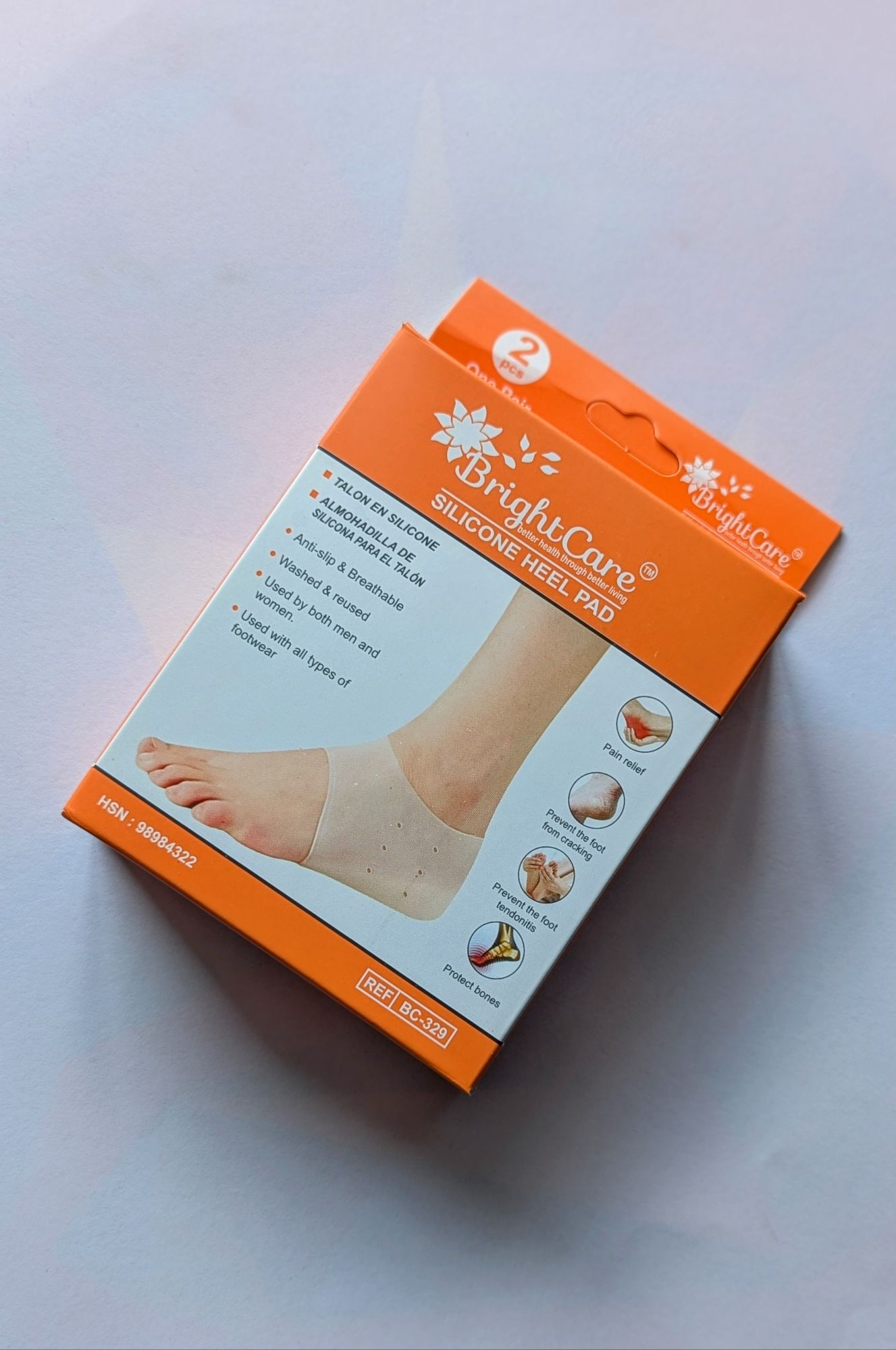
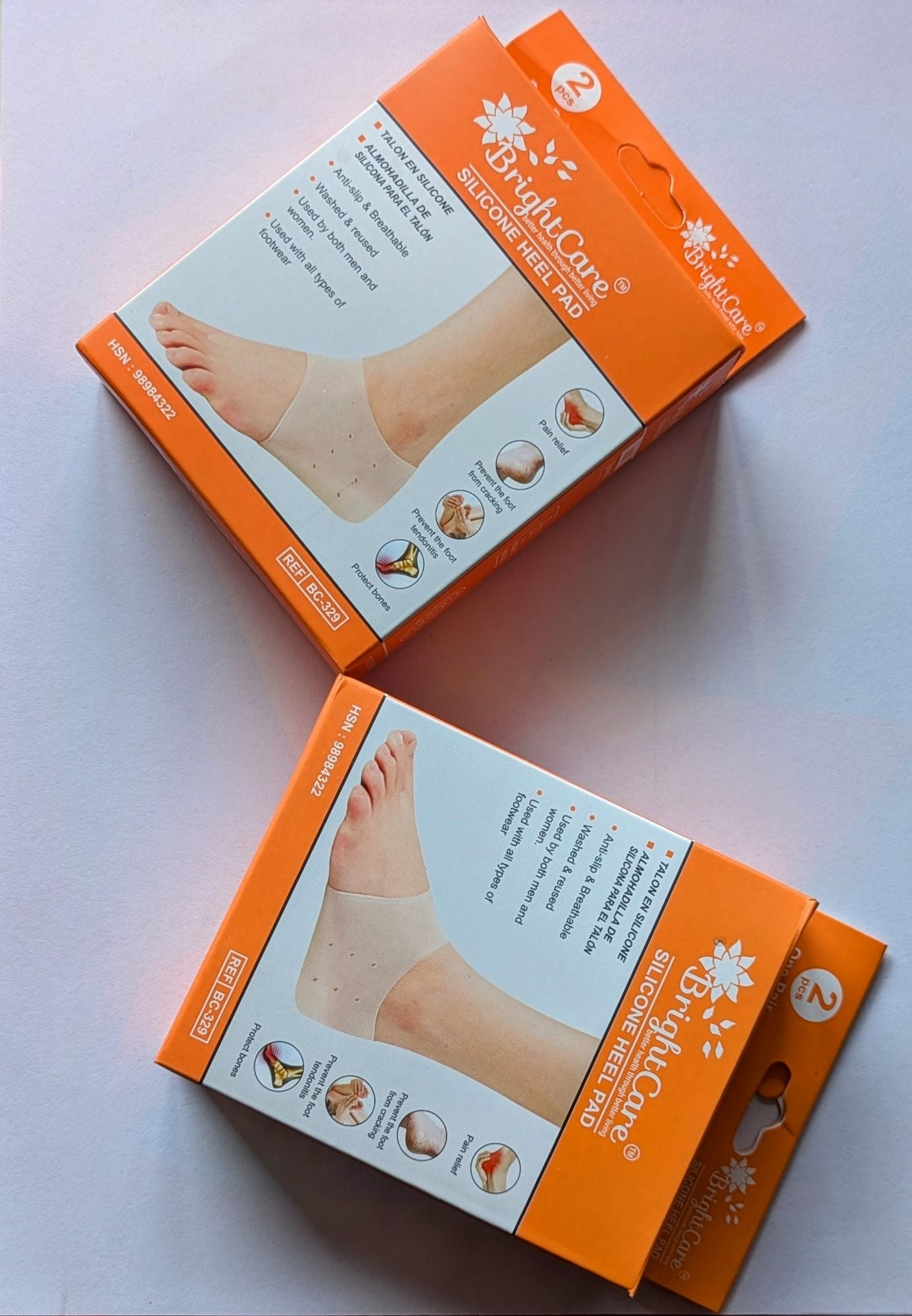
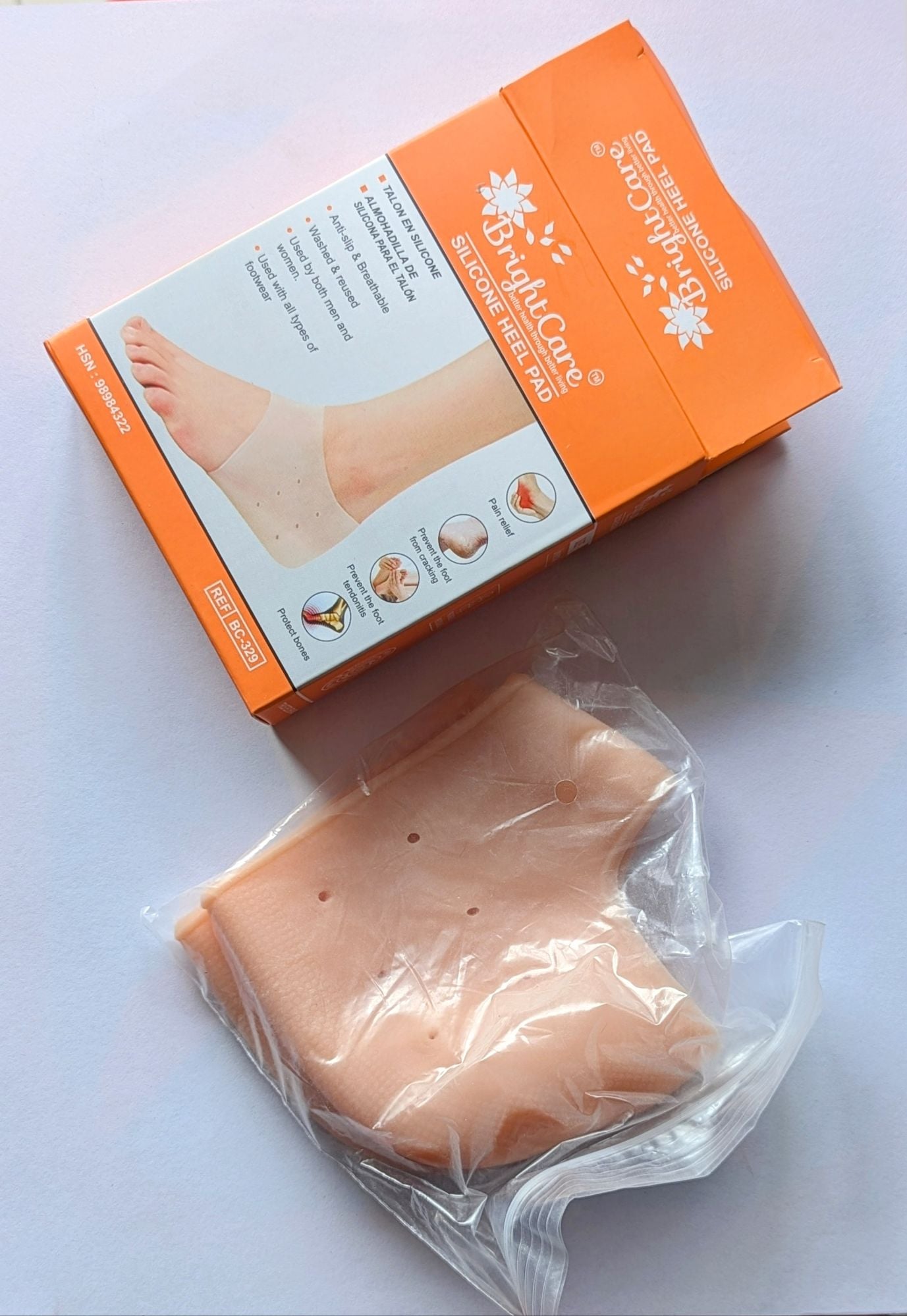
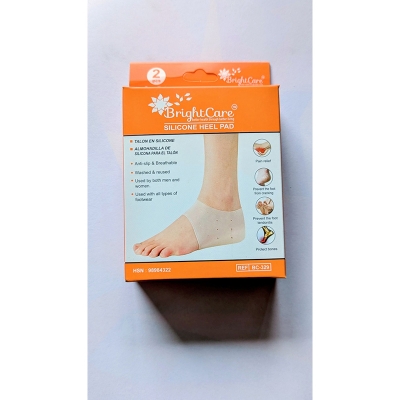
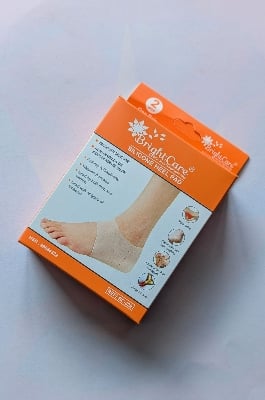
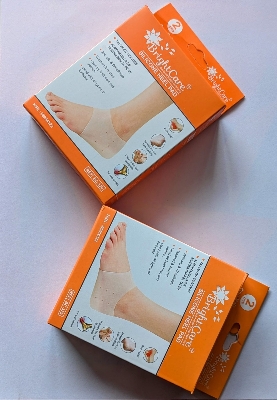
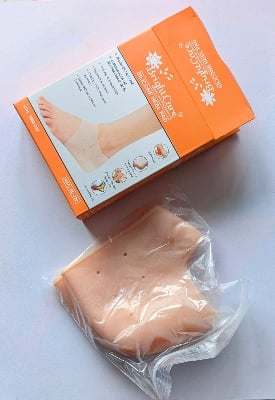
Heel pads are cushioning devices designed to protect and comfort the heel, particularly in situations where the heel is subject to pressure or friction, or where the skin is sensitive. They can be made from various materials like gel, silicone, or foam, and are often used to reduce friction, prevent pressure injuries, and provide shock absorption.
Here's a more detailed breakdown:
Purpose:
Comfort and Cushioning:
Heel pads provide extra cushioning, making it easier to wear shoes and reducing pain or discomfort in the heel.
Pressure Relief:
They can help distribute pressure across the heel, reducing the risk of pressure sores or ulcers, especially for individuals with sensitive skin or those who are at risk of developing such injuries.
Friction Reduction:
By reducing friction between the heel and the shoe, heel pads can help prevent blisters and other skin irritations.
Shock Absorption:
Some heel pads, particularly those made from gel or silicone, absorb shocks, which can be beneficial for activities that involve impact, like running or walking.
Protection:
They can also protect the heel from the impact of hard surfaces or from the friction of shoes on certain surfaces.
Materials and Types:
Gel Pads:
Gel pads offer a good balance of cushioning and shock absorption, often used for activities that require a lot of impact.
Silicone Pads:
Silicone pads are non-porous and easy to clean, making them a good choice for those with sensitive skin or who need to maintain hygiene.
Foam Pads:
Foam pads are a lighter and more affordable option, offering good cushioning.
Rubber Heel Mats:
These are designed specifically to protect the carpet where the heel of a driver's foot rests while driving.

Login to ask a question
